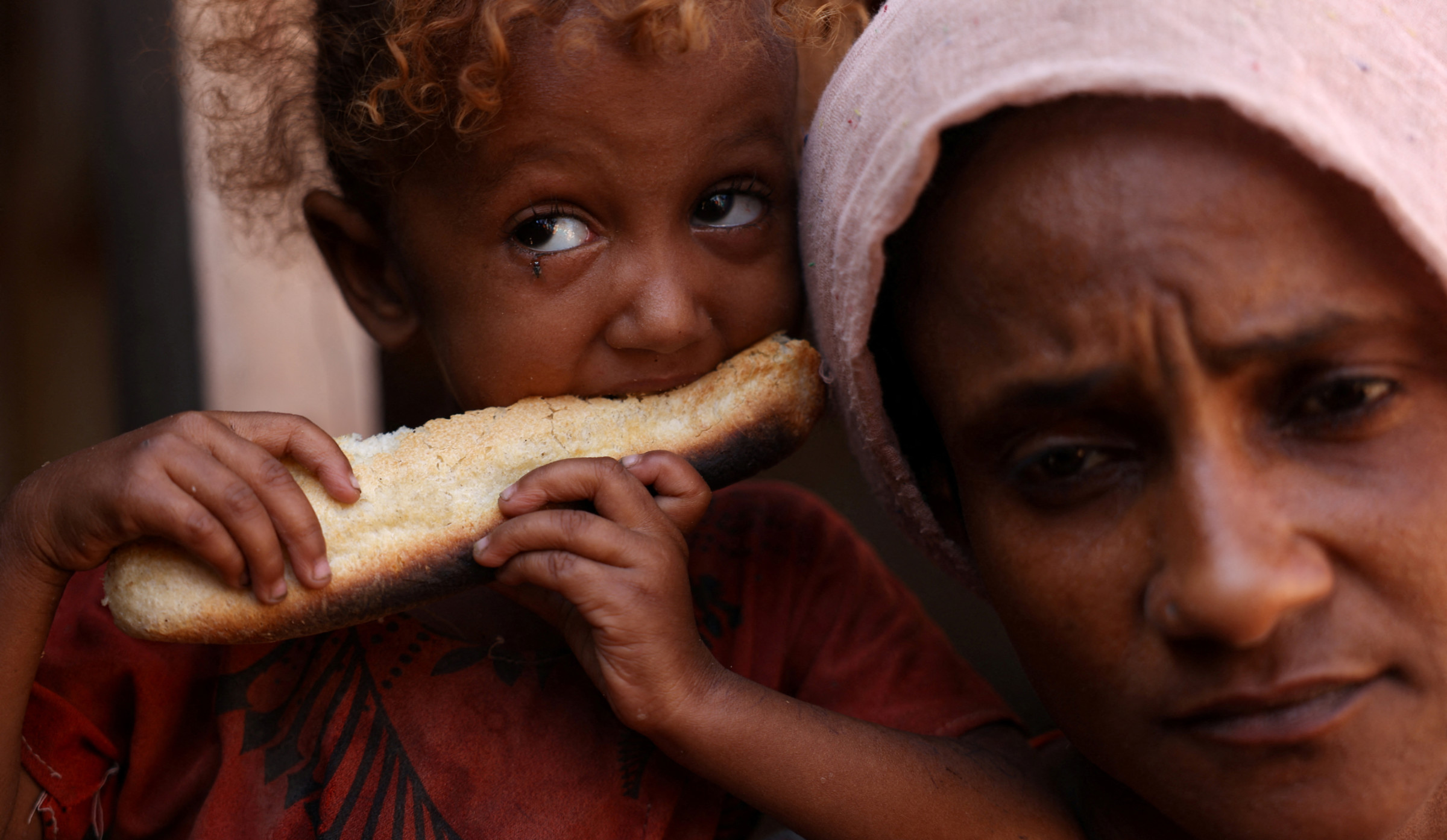
A severe healthcare crisis is unfolding in Yemen following the United Arab Emirates’ abrupt military withdrawal and simultaneous termination of humanitarian funding for critical medical facilities earlier this month. The move has severed access to specialized healthcare for thousands of Yemenis who depended on UAE-funded hospitals after more than a decade of conflict devastated the country’s public health infrastructure.
The withdrawal coincided with significant geopolitical shifts in southern Yemen, where the UAE’s separatist allies, the Southern Transitional Council, suffered substantial losses against Saudi-backed government forces. This development prompted Riyadh to strongly oppose continued Emirati influence in the region.
Among the affected facilities is the strategically important 2nd of December Hospital in the port city of Mocha, which opened in late 2024 and quickly became a lifeline for communities along Yemen’s west coast. The hospital now faces a critical shortage of specialized medical staff after the UAE terminated its contract with the Indian company managing specialized services, prompting the immediate departure of surgical teams.
Patients like Lutf al-Qaheri, a 59-year-old kidney patient who traveled five hours for treatment, now face impossible choices. ‘My turn was scheduled for January 5th, but I was informed it was cancelled because the specialized doctors had left,’ he reported. His needed surgery would cost $1,500 at a private hospital—an impossible sum for an unemployed man in Yemen’s devastated economy.
The Saudi Development and Reconstruction Program for Yemen (SDRPY) has pledged a $500 million package to support these hospitals and other vital sectors. However, the transition has yet to materialize practically, leaving facilities without the specialized staff needed for complex procedures.
The situation has sparked intense debate about the nature of humanitarian aid in conflict zones. Some Yemenis, like Hussein Ahmed whose wife received free surgery at a UAE-funded facility, express understanding: ‘The UAE is not responsible for us indefinitely. They acted at the request of our government.’
Yet others see more calculated motives. Yemeni journalist Mohammed Sultan characterizes the withdrawal as ‘the militarization of aid,’ stating: ‘The fact that they terminated these contracts the moment they were asked to leave proves they only support us if we allow them to pursue their own agenda.’
Despite the challenging transition, a doctor at the 2nd of December Hospital offered cautious optimism: ‘We have already begun coordinating that transition. Surgeries will soon resume at their previous capacity.’ The medical professional expressed frustration with those attempting to leverage the hospital’s situation for political gain, emphasizing that what matters most is ensuring Yemenis receive quality medical care regardless of political disputes.