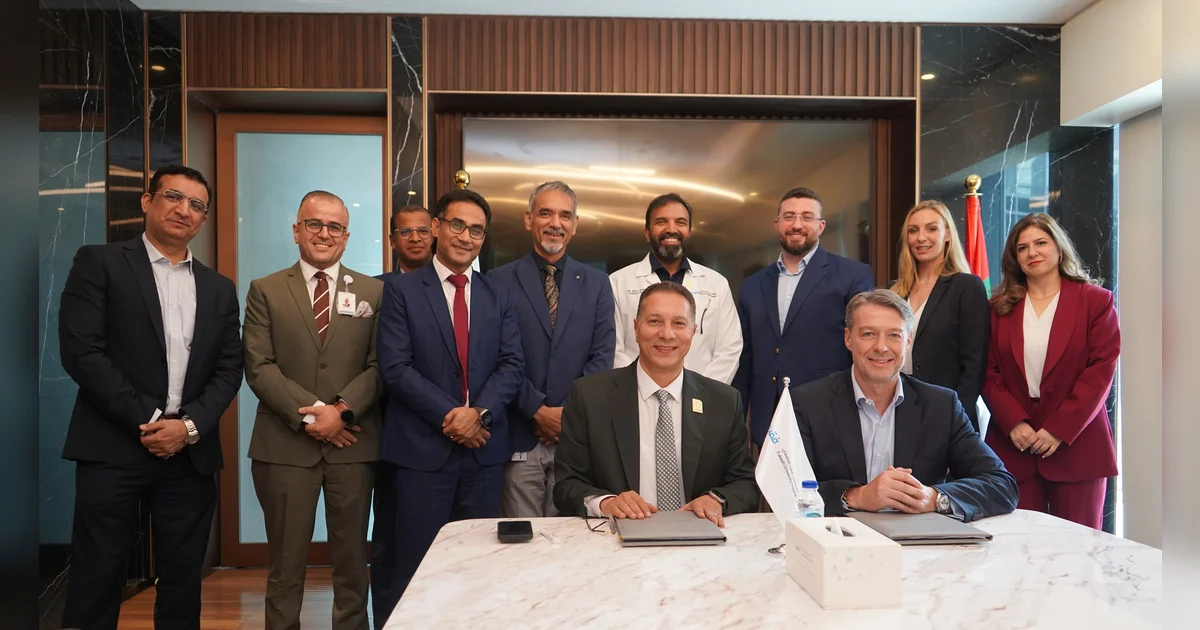
Dubai has emerged as a global hub for advanced neurological treatment with the groundbreaking launch of the Middle East’s inaugural epidural stimulation program. Fakeeh University Hospital, in partnership with medical technology firm Verita Neuro, has introduced this revolutionary neurorehabilitation initiative that promises to transform care for spinal cord injury patients across the region.
This pioneering program utilizes cutting-edge epidural stimulation technology that reconnects neural pathways between the brain and body, enabling patients to regain voluntary movement and restore critical autonomic functions. The treatment represents a quantum leap in neurological restoration, offering personalized therapeutic interventions that were previously inaccessible within the Middle East.
Dr. Mohaymen Abdelghany, Group CEO of Fakeeh Health, emphasized the program’s significance: “Our collaboration with Verita Neuro demonstrates our unwavering commitment to delivering evidence-based, world-class medical care within the UAE. This breakthrough eliminates the necessity for patients to seek treatment abroad, providing advanced neurorehabilitation solutions locally while establishing new standards of neurological care throughout the region.”
Julian Andriesz, CEO of Verita Neuro, noted the strategic importance of the Dubai location: “The city’s exceptional medical infrastructure and progressive healthcare ecosystem create the ideal environment for deploying our proprietary epidural stimulation technology. Partnering with Fakeeh University Hospital, a respected academic medical institution, ensures these transformative therapies reach those who need them most.”
The program’s introduction significantly enhances Dubai’s position as a leading medical tourism destination while addressing critical gaps in specialized neurological care. Dr. Nasir Majeed, Chief Medical Officer of Verita Neuro, highlighted the life-changing potential of the treatment, which offers renewed hope for mobility and independence to individuals affected by spinal cord injuries.
This medical advancement represents a major milestone in the Middle East’s healthcare landscape, potentially reducing treatment costs and travel burdens for patients while accelerating recovery outcomes through state-of-the-art neurological intervention.