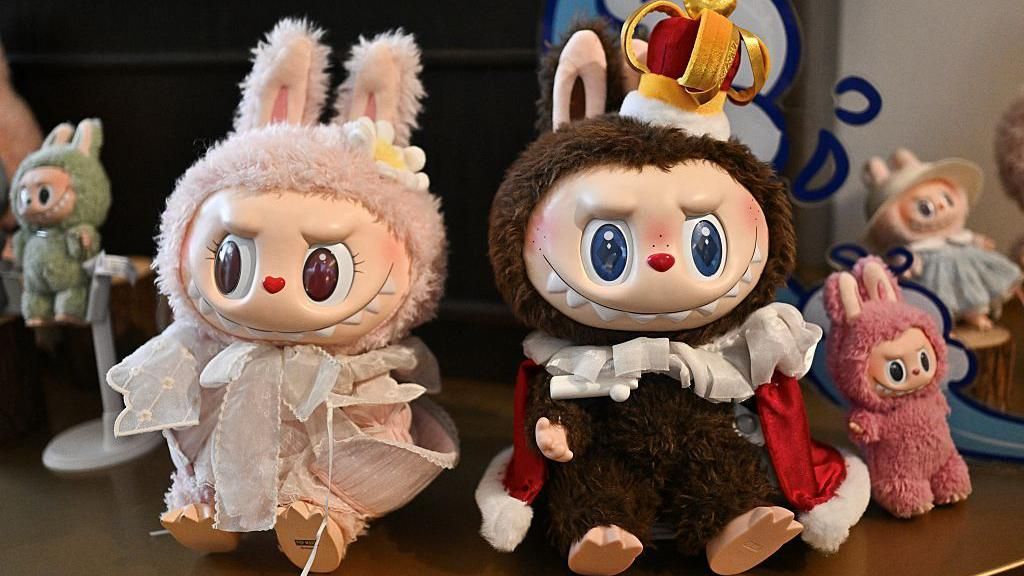
A U.S.-based labor rights organization has raised serious allegations regarding working conditions at a Chinese manufacturing facility responsible for producing the globally popular Labubu dolls. China Labor Watch (CLW), a non-governmental organization, claims its investigation revealed concerning labor practices at Shunjia Toys Co Ltd, a Guangdong-based supplier for toy retailer Pop Mart.
According to CLW’s report, researchers conducted 51 in-person interviews with factory employees, uncovering multiple labor violations. The investigation allegedly found evidence of excessive overtime shifts, problematic contract practices including blank or incomplete agreements, and denial of paid leave entitlements. While no child labor was identified, the report notes the factory employed 16-year-old workers without providing the special protections required under Chinese law for minor employees.
The factory in Xinfeng County, described as a core manufacturing facility employing over 4,500 workers, also allegedly lacked adequate safety training and protections for workers. CLW emphasized that as an original equipment manufacturer (OEM), the factory operates under pricing and production schedules set by client companies, making brands directly responsible for conditions in their supply chains.
Pop Mart, the Beijing-based toy company behind the wildly successful Labubu blind box toys, responded to the allegations by stating it is investigating the claims. The company acknowledged receiving the report details and committed to ‘firmly’ requiring corrective actions from suppliers if violations are confirmed. Pop Mart highlighted its existing audit processes, including annual independent third-party reviews conducted by internationally recognized inspectors.
The Labubu phenomenon has generated global excitement with celebrity endorsements from Kim Kardashian and Blackpink’s Lisa contributing to its massive popularity. The current allegations present a significant challenge to the company’s ethical manufacturing claims as it continues its international expansion.