Venezuelan President Nicolas Maduro has positioned his nation as a key member of the international ‘Axis of Resistance’ during his official visit to Tehran, calling for a unified front against United States and Israeli influence worldwide. The Iranian-coined term traditionally describes Shia forces opposing American and Israeli interests in the Middle East, but Maduro expanded its scope to encompass global anti-colonial movements.
Addressing audiences in the Iranian capital, Maduro declared that resistance movements now operate across Western Asia, Africa, Latin America, and the Caribbean. He framed this alliance as a struggle against neoliberalism, racism, and multiple forms of colonialism—including political, economic, cultural, and cyber domains. The Venezuelan leader emphasized the movement’s goal of decolonizing minds and resisting imperial hegemony.
The visit yielded significant bilateral agreements, including a 20-year cooperation roadmap between Iran and Venezuela. Maduro recalled previous security collaboration, revealing that Iranian experts had assisted in repairing Venezuela’s electricity infrastructure following cyber-attacks, a effort coordinated after his meeting with the late IRGC commander Qassem Soleimani.
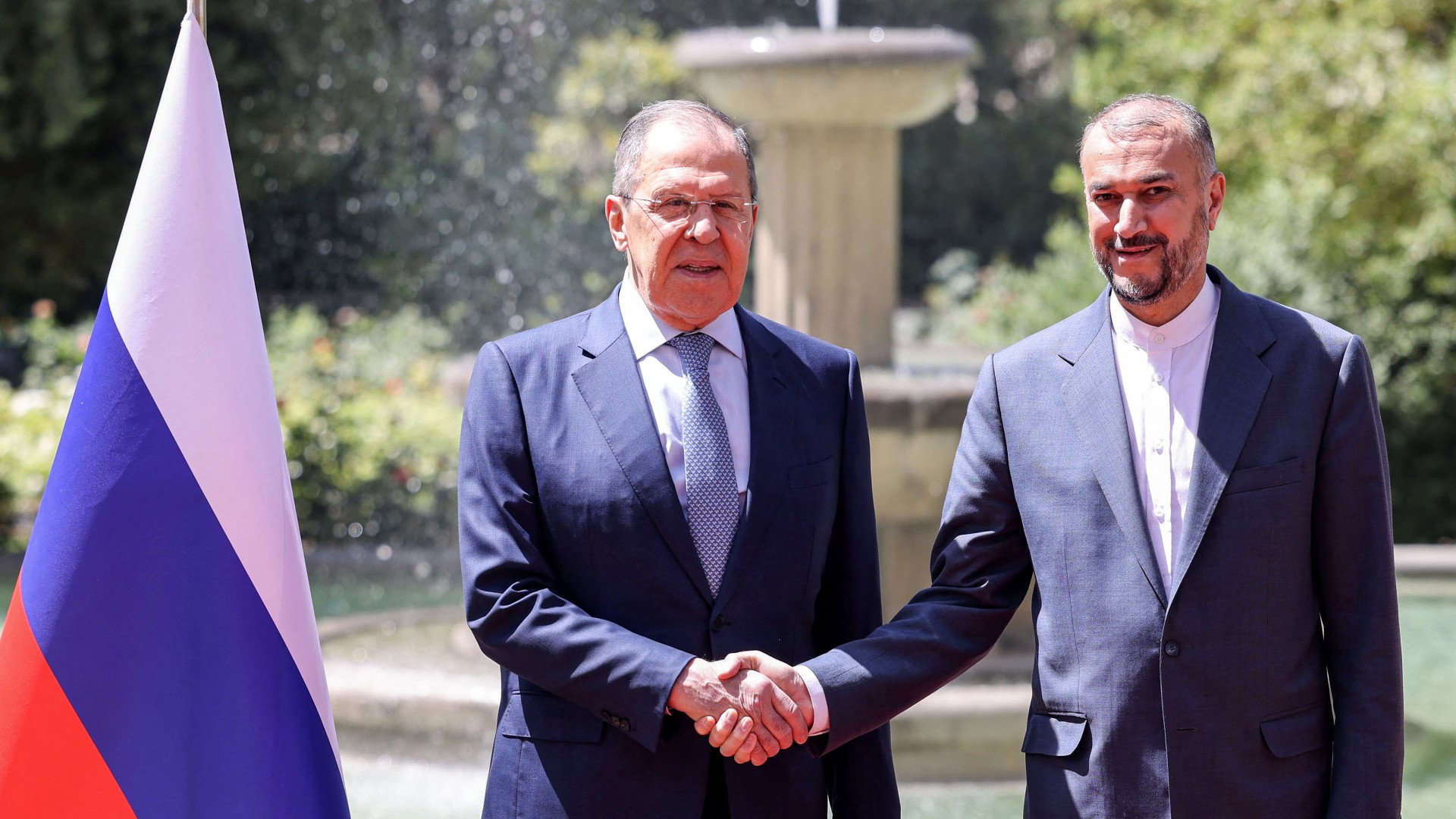
Meanwhile, Iran continues to expand its international partnerships amid ongoing sanctions. Russian-Iranian relations have deepened since the Ukraine conflict began, with plans for a joint trade center (Nova-Pars) and enhanced cooperation in energy, manufacturing, and oil/gas equipment. A new Caspian Sea transportation corridor will connect Russia to the Persian Gulf, complemented by unprecedented shipbuilding knowledge transfers and parts manufacturing agreements.
Domestically, Iran faces mounting challenges. President Ebrahim Raisi’s directive to manufacture 72-seat aircraft—reportedly for religious symbolism—has drawn widespread public mockery given Iran’s aging fleet and aviation safety record. Critics highlight the administration’s previous unfulfilled promises regarding inflation control and COVID-19 vaccines.
Additionally, Iran’s healthcare system confronts a severe physician shortage despite medical school graduations. Approximately 20,000 trained doctors have abandoned clinical practice for higher-paying sectors including real estate, cryptocurrency trading, and beauty clinics, exacerbating the nation’s medical care crisis.