China’s rapidly aging population is witnessing a technological transformation in elderly care, with artificial intelligence and robotics emerging as critical solutions to address growing demographic challenges. Across the nation, from Beijing nursing homes to Shenzhen care facilities, AI-powered devices are providing companionship, mobility assistance, and specialized therapies for senior citizens.
In a Beijing residence, a nonagenarian engages in daily chess matches with his robotic companion named Sense—a 2,000 yuan ($285) AI system that offers both intellectual stimulation and social interaction. Financial professional Shen Tu, who gifted the device to his grandfather, reports the technology has not only brought joy to his elderly relative but has become a focal point for family bonding during weekend gatherings.
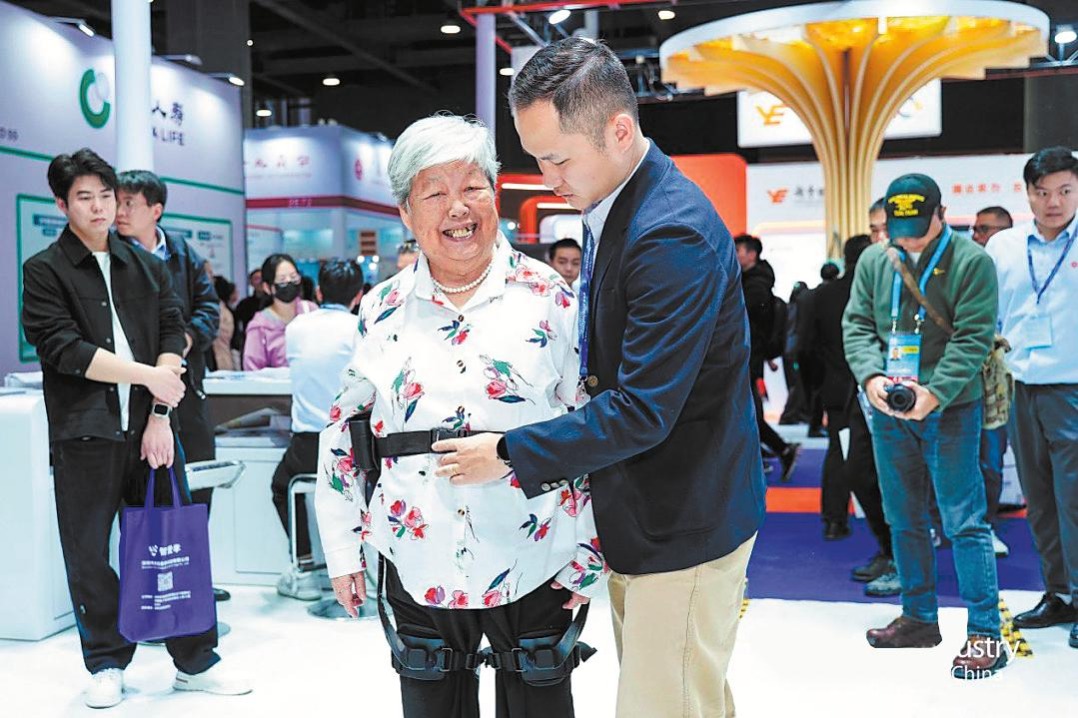
The applications extend far beyond companionship. In Guangdong province, advanced robotics systems now perform room patrols in care institutions, provide mobility support through exoskeleton technology, and even administer traditional moxibustion therapy. These innovations represent a fundamental shift in how China approaches elderly care amidst staggering demographic changes.
Official statistics from the Ministry of Civil Affairs reveal that by the end of 2024, China’s population aged 60 and above reached 310 million, representing 22% of the total population. Among these seniors, approximately 35 million have lost self-care capability—a figure projected to surge to 46 million by 2035.
Conventional care models struggle with multiple challenges including severe shortages of professional caregivers, inefficient service delivery, and difficulties meeting personalized needs. Smart elderly care solutions integrating AI, Internet of Things, and robotics technologies are increasingly filling these gaps, becoming essential infrastructure in China’s response to its aging society.
The development receives substantial policy support alongside technological innovation, positioning China at the forefront of redefining elder care through automation and intelligent systems.