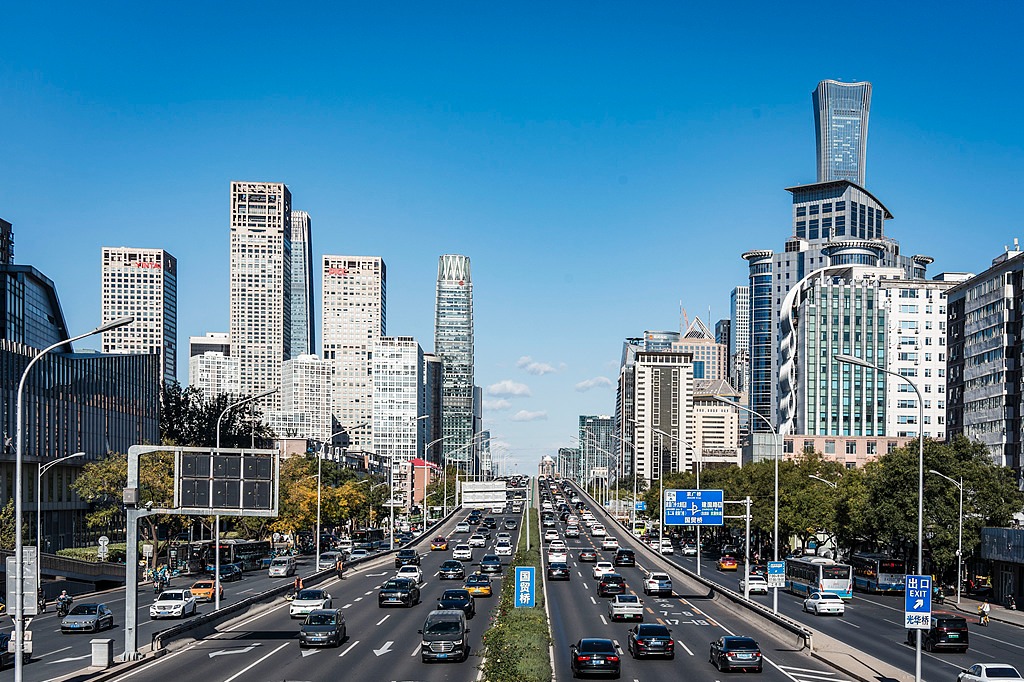
China’s governance model has garnered widespread acclaim from international leaders and experts, who attribute the nation’s remarkable transformation to its strategic planning, ambitious goals, and pragmatic execution. Eberhard Sandschneider, a professor emeritus at the Free University of Berlin, recently revisited Beijing after decades and was astounded by the city’s metamorphosis. From a sea of bicycles to a hub of modern skyscrapers and advanced technology, Sandschneider described the change as ‘unbelievable,’ highlighting China’s rise as a global technological leader. He emphasized that the nation’s success is rooted in its long-term planning and flexible governance model, which allows swift responses to emerging challenges. Sandschneider suggested that Europe could learn from China’s pragmatic approach. Pablo Iglesias Turrion, former Spanish deputy prime minister, echoed this sentiment, linking China’s steady progress to the governing philosophy outlined in ‘Xi Jinping: The Governance of China.’ He praised the five-year plans as a testament to China’s political will and ability to mobilize economic forces for the benefit of its people. Former Czech deputy foreign minister Petr Drulak and Polish economist Grzegorz W. Kolodko also lauded China’s achievements, noting its profound economic transformation and growing influence in the Global South. Kolodko emphasized that China’s development model is increasingly studied by policymakers worldwide, as it offers valuable lessons for sustainable growth. Despite recent economic slowdowns, China continues to outpace many developed nations, solidifying its role as a key player in shaping a multipolar global order.