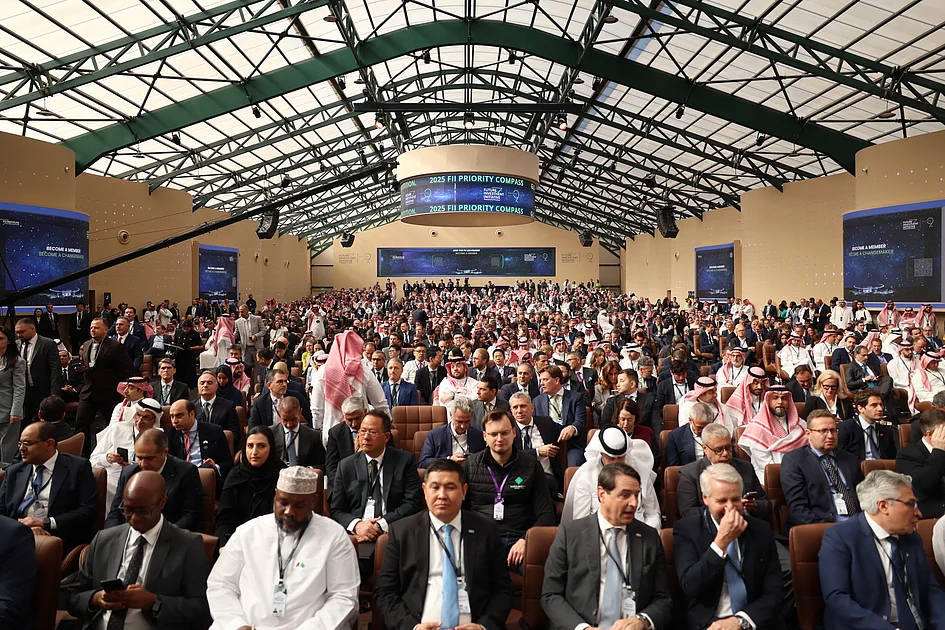
Saudi Arabia’s ambitious plans to diversify its oil-dependent economy through tourism and entertainment are progressing steadily, with alcohol remaining off the table. John Pagano, CEO of Red Sea Global, a key player in the kingdom’s tourism strategy, emphasized that the absence of alcohol would not hinder the country’s appeal to international visitors. Speaking at the Future Investment Initiative (FII) in Riyadh, Pagano stated, ‘Alcohol is not permitted in the kingdom. It’s as simple as that. People come for the experiences and to lead healthier lives. Alcohol is not essential for our success.’
Saudi Arabia, the birthplace of Islam and home to its holiest cities, Makkah and Madinah, has traditionally been a religious destination. However, since the introduction of tourist visas in 2019 and the launch of Crown Prince Mohammed bin Salman’s Vision 2030 plan, the kingdom has been transforming into a global tourism hub. Despite this shift, the alcohol ban remains intact, with the exception of a single liquor store opened in January 2024, exclusively serving non-Muslim diplomats.
Pagano highlighted the kingdom’s significant investments in mega-projects, including entertainment, tourism, sports, and artificial intelligence. ‘The Public Investment Fund has committed $800 billion to tourism between now and 2030,’ he said, referencing the upcoming 2030 World Expo and the 2034 FIFA World Cup, both to be hosted in Saudi Arabia. Red Sea Global is spearheading the development of 27 hotels and resorts along the kingdom’s west coast, with ten already operational and the rest set to open by mid-2026. Pagano also expressed confidence in tapping into the lucrative market of Haj pilgrims, who visit Makkah annually. ‘Pilgrims come once in their lifetime, and we plan to capitalize on that,’ he added.
While the alcohol ban may deter some tourists, Pagano remains optimistic about Saudi Arabia’s ability to attract visitors through unique experiences and its rich cultural heritage. The kingdom’s focus on health-conscious tourism and its strategic investments in global events and infrastructure underscore its commitment to becoming a leading destination on the world stage.