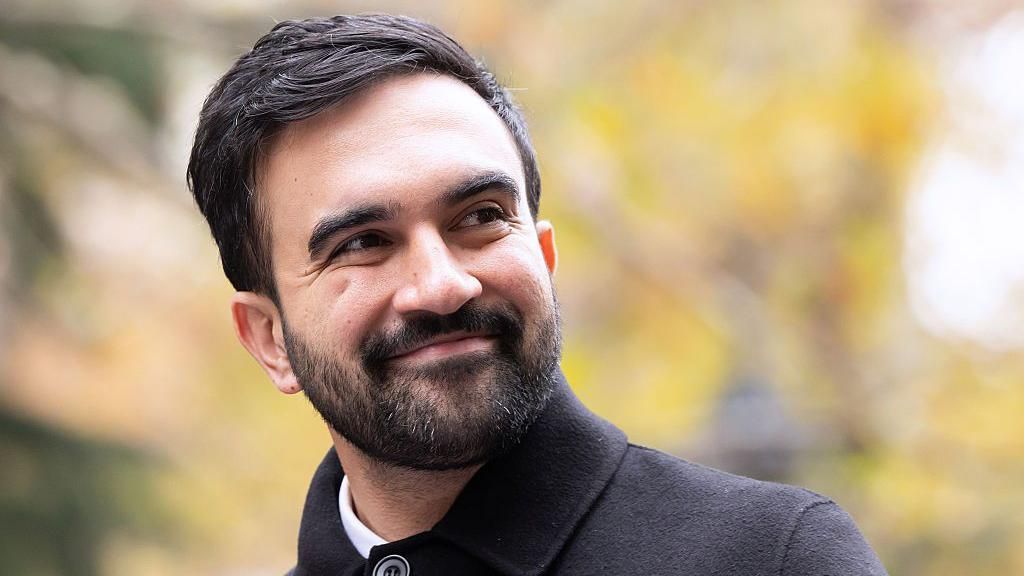
In a significant departure from his campaign-era housing narrative, New York City Mayor-Elect Zohran Mamdani has confirmed he will reside in the official mayoral residence at Gracie Mansion following his January 1 inauguration. The decision concludes weeks of speculation about whether the affordable housing advocate would maintain his rent-stabilized apartment in Queens’ Astoria neighborhood.
Mamdani framed the choice as necessary for family security and governmental focus. ‘This decision came down to our family’s safety and the importance of dedicating all of my focus on enacting the affordability agenda New Yorkers voted for,’ Mamdani stated Monday. The 1799-built Federal-style mansion overlooking the East River features enhanced security protocols, five bedrooms, and historically preserved interiors—a stark contrast to his current modest apartment.
The move represents a notable evolution for the politician whose campaign heavily emphasized his $2,300 monthly rent-stabilized unit—approximately $1,200 below market rate for comparable one-bedroom apartments. During the election cycle, opponents including former Governor Andrew Cuomo criticized Mamdani’s occupancy of the protected housing given his privileged background as the son of filmmaker Mira Nair and Columbia University professor Mahmood Mamdani.
Gracie Mansion carries both historical significance and supernatural lore. While billionaire Michael Bloomberg opted to reside in his private townhouse during his mayoral tenure, recent occupants have reported paranormal activity. Former First Lady Chirlane McCray described self-operating doors and eerie floorboard noises, with outgoing Mayor Eric Adams unequivocally declaring in 2022: ‘There are ghosts in there, man.’
Mamdani’s transition to the mansion coincides with his commitment to preserve connections to his diverse Astoria community. ‘While I may no longer live in Astoria, Astoria will always live inside me and the work I do,’ he affirmed, acknowledging the neighborhood’s immigrant communities and global cuisine that shaped his political perspective.