Zimbabwe has formally declined a substantial health assistance package from the United States valued at $367 million, citing concerns over data sovereignty and inequitable terms. The decision emerged through a leaked government memorandum from December, revealing President Emmerson Mnangagwa’s characterization of the proposed five-year agreement as “lopsided.”
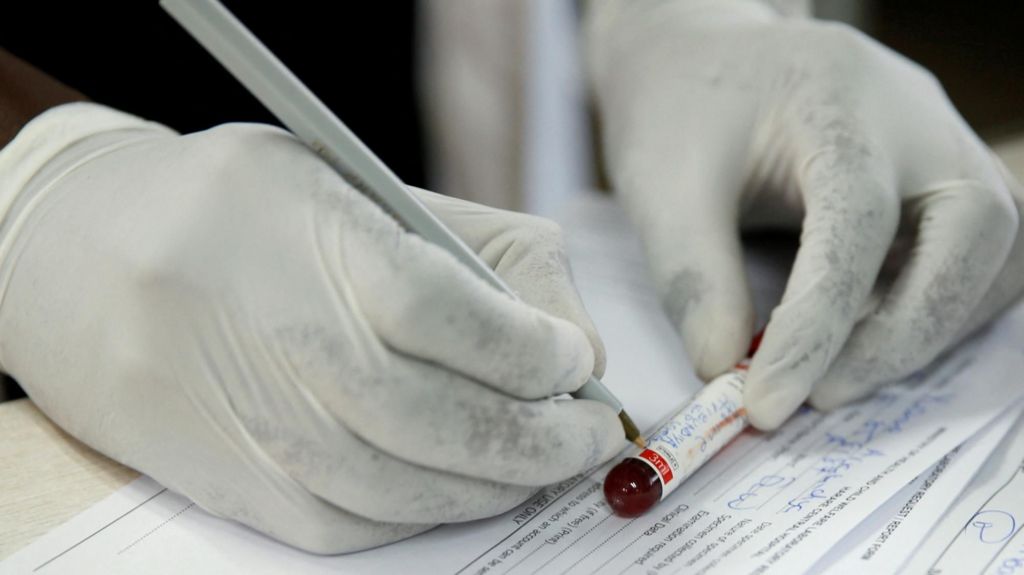
According to government spokesperson Nick Mangwana, the rejection stemmed from Washington’s demands for unrestricted access to Zimbabwe’s biological samples and health data for research and potential commercial applications, without guaranteeing reciprocal benefits. “Zimbabwe was being asked to share its biological resources and data over an extended period, with no corresponding guarantee of access to any medical innovations—such as vaccines, diagnostics, or treatments—that might result from that shared data,” Mangwana stated.
The US Embassy in Zimbabwe expressed disappointment, noting that the funding would have supported critical programs addressing HIV/AIDS treatment and prevention, tuberculosis, malaria, maternal and child health, and disease outbreak preparedness. US Ambassador Pamela Tremont announced the “difficult and regrettable task of winding down our health assistance in Zimbabwe,” highlighting that the US had provided over $1.9 billion in health funding to the country over the past two decades.
This development occurs within the broader context of the Trump administration’s foreign aid restructuring, which has emphasized bilateral government-to-government agreements while reducing support for multilateral institutions. The US withdrawal from the World Health Organization (WHO) and pursuit of direct health pacts with African nations have raised concerns about existing global health frameworks. Zimbabwe pointed to the WHO’s Pathogen Access and Benefit Sharing scheme as a more equitable alternative for future pandemic response.
Notably, Kenya’s High Court suspended a similar US health agreement in December over data safety concerns, indicating a growing pattern of scrutiny regarding health data sovereignty in US-Africa relations. Despite the rejection, Zimbabwe emphasized that its decision “should not be misconstrued as anti-American sentiment” and expressed willingness to continue dialogue on future cooperation that respects “the sovereignty and dignity of both nations.”