Nairobi, Kenya – A landmark trade policy shift is poised to revolutionize Kenya’s agricultural export landscape as China prepares to implement full duty-free access for African products beginning May 1. This strategic development positions Kenya to harness unprecedented market opportunities in the world’s second-largest economy, potentially reshaping the nation’s agricultural industrialization trajectory.
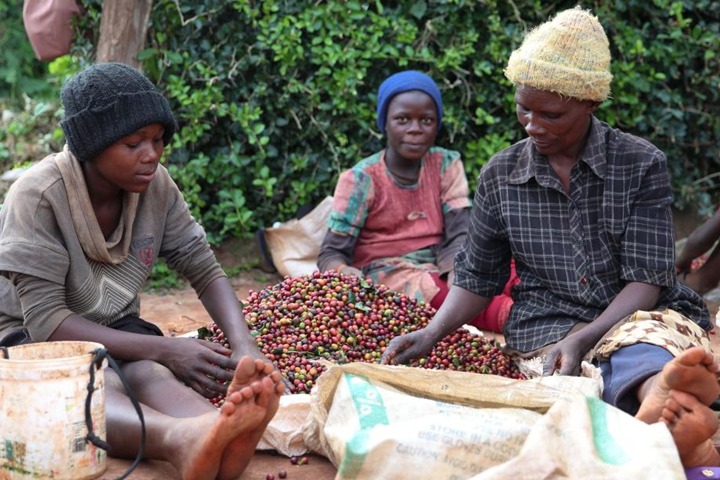
The tariff elimination, announced by Chinese authorities in February, extends to 53 African nations maintaining diplomatic relations with Beijing. For Kenya, this represents a catalytic moment to accelerate its export-led industrialization agenda across key agricultural sectors including tea, coffee, avocados, and macadamia nuts.
Mutahi Kagwe, Kenya’s Cabinet Secretary for Agriculture and Livestock Development, emphasized the transformative potential during recent consultations with Chinese Ambassador Guo Haiyan. “This arrangement fundamentally alters our export calculus,” Kagwe stated. “We’re transitioning from predominantly raw commodity exports to value-added processing targeting a consumer market exceeding 1.4 billion people.”
The policy framework eliminates previous tariff variations that affected Kenyan horticultural products, fresh and frozen avocados, macadamia nuts, cut flowers, vegetables, and herbs. Ambassador Guo noted the growing Chinese consumer appreciation for Kenyan agricultural products, with coffee and tea exports reaching $24 million in the previous year – representing 10.8% of Kenya’s agricultural exports to China and an 8.8% year-on-year growth.
Beyond market access, bilateral cooperation is expanding into agricultural technology transfer and capacity building. Kenyan agricultural students will gain internship opportunities in modern farming and processing techniques, while regulatory agencies are intensifying quality assurance measures to meet China’s phytosanitary requirements.
Legal scholar Patrick Lumumba characterized the development as a strategic opening for African economies to advance domestic industrialization while deepening trade partnerships. The policy reflects China’s structured approach to South-South cooperation while challenging African nations to enhance regional integration and value-addition capabilities.
This tariff elimination initiative operates within the broader Framework of China-Africa Cooperation, signaling strengthened economic diplomacy between Nairobi and Beijing that extends beyond traditional trade parameters into technical collaboration and sustainable agricultural development.