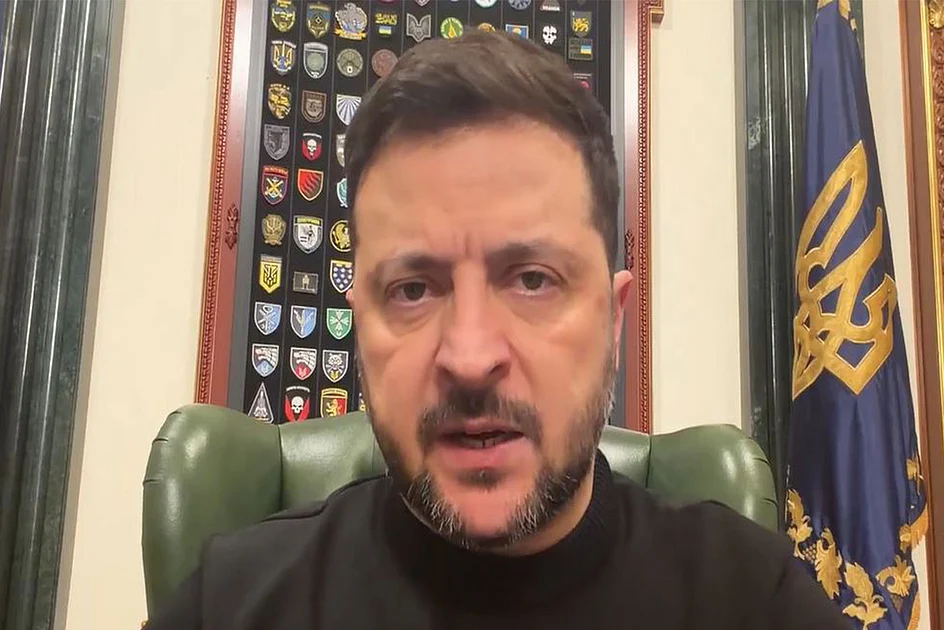
Ukrainian President Volodymyr Zelenskyy confirmed Monday that Russian forces have largely adhered to a temporary cessation of attacks on Ukraine’s energy infrastructure, creating a fragile but significant de-escalation ahead of scheduled trilateral peace negotiations. The reported compliance comes as diplomatic preparations intensify for upcoming talks involving Russian, Ukrainian, and US officials in Abu Dhabi.
Zelenskyy stated that targeted missile and drone strikes against Ukrainian energy facilities had notably diminished over the preceding 24-hour period, though some frontline energy installations continued to experience shelling. The Ukrainian leader characterized these de-escalation measures as vital confidence-building steps that could enhance public trust in the negotiation process. “Ukraine is ready for real steps. We believe it is realistic to achieve a dignified and lasting peace,” Zelenskyy emphasized following consultations with his negotiation team.
The temporary truce on energy infrastructure, announced the previous week, had been clouded by conflicting interpretations regarding its duration. While the Kremlin acknowledged that former US President Donald Trump had personally requested Russian President Vladimir Putin refrain from strikes until February 1st, Ukrainian officials maintained the ceasefire was intended to extend for one week beginning January 30th.
Despite the relative reprieve, Ukraine continues grappling with severe energy challenges resulting from months of systematic attacks on its power grid. Energy providers race against time and extreme winter conditions to restore electricity and heating services to affected populations. Maxim Timchenko, CEO of Ukraine’s largest private energy company DTEK, highlighted the critical nature of the ceasefire period: “We need some time to recover what is destroyed for the last three months… This ceasefire is extremely important for us to recover partly and avoid any tragic consequences.”
The fragile situation was underscored by DTEK’s report of renewed attacks on its coal mining operations in Dnipropetrovsk region, where a Sunday strike had killed twelve miners. Meanwhile, regional officials in Donetsk confirmed civilian casualties from shelling that killed a father and son while injuring a mother and her two children. Zelenskyy additionally noted that Russian forces appear to have shifted tactical focus toward targeting transportation logistics, particularly railway infrastructure.