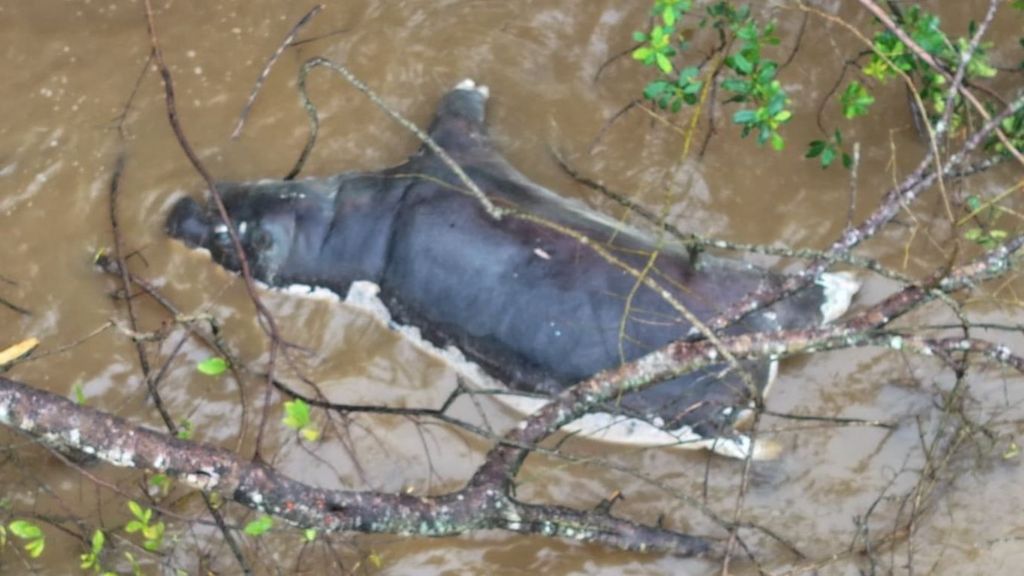
A new anthrax outbreak in a northern Zambian wildlife management area has killed dozens of wild animals and infected a dozen local residents, prompting emergency public health warnings from Zambian authorities. The outbreak, first detected in July in the Munyamadzi Game Management Area of Muchinga Province, has already claimed the lives of 46 hippos, 8 elephants, 5 buffalo, and one crocodile, according to the country’s Disaster Management and Mitigation Unit. Norman Chipakupaku, the unit’s national coordinator, explained that local communities often rely on the meat of naturally deceased wild animals for sustenance, leaving residents exposed to the deadly bacteria. To date, 12 people have been confirmed to have contracted anthrax after eating meat from the infected carcasses. All 12 patients are currently receiving medical care, and no human fatalities have been recorded from this latest outbreak. In response to the developing situation, Zambian officials have issued urgent guidance for residents across the affected region: people are banned from consuming, selling, distributing, or handling meat from animals that died suddenly or from unexplained causes. The public has also been instructed to report any unusual wildlife deaths to local authorities immediately, and all hunting activities in the affected zone have been suspended until officials can map the full spread of the outbreak and assess associated public safety risks. As of the latest update, field surveillance teams and laboratory researchers are still working to determine the full geographic scope of the outbreak. Anthrax, an infectious disease caused by the spore-forming bacterium Bacillus anthracis, is endemic to Zambia, where the bacteria can remain dormant as spores in soil for decades. The pathogen primarily targets grazing animals, often causing rapid sudden death, and can jump to humans through contact with contaminated animal products or infected tissue. While anthrax is endemic in the country, human fatalities from outbreaks remain rare. However, Zambia has faced several large-scale outbreaks in recent years. In 2023, the country recorded what public health officials described as an “unprecedented” outbreak that spread across nine of Zambia’s 10 provinces and killed four people. The deadliest recorded event in recent history dates back to 2011, when a major outbreak linked to infected hippo meat caused more than 500 human cases and five deaths. Public health teams continue to monitor the situation closely as work to contain the current outbreak progresses.