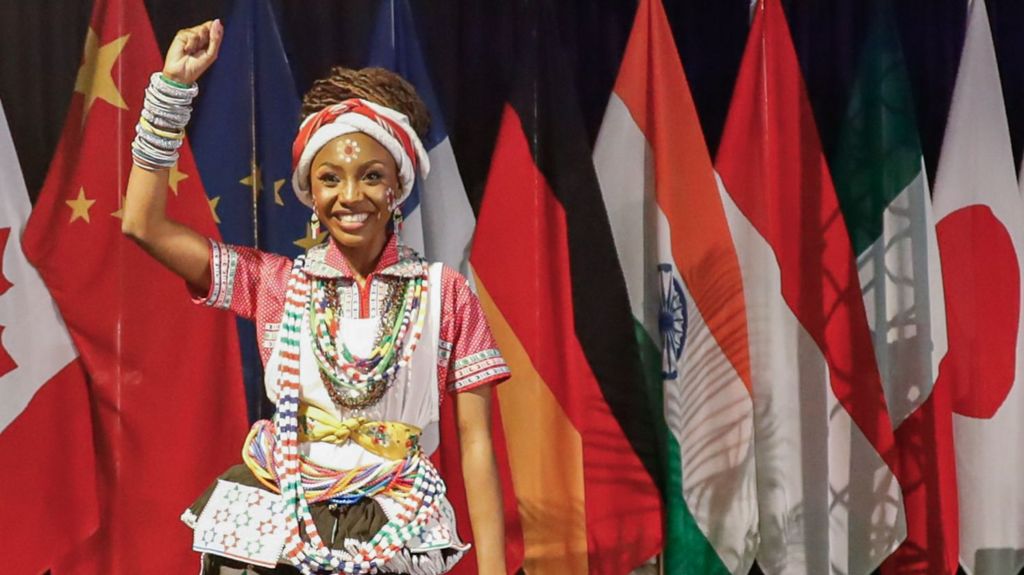
As South Africa assumed the presidency of the G20 last year, it aimed to leverage its position as the first African host to amplify the voices of developing nations. Key issues on the agenda included advocating for reduced borrowing costs for poorer countries, securing climate change financing, and enhancing African participation in global forums. However, the summit has been overshadowed by the absence of the United States, following President Donald Trump’s controversial decision not to attend, citing unfounded claims of white minority persecution in South Africa. This move has further strained US-South Africa relations, which have been tense over the past year due to diplomatic expulsions, aid cuts, and trade tariffs. Despite these challenges, South Africa has maintained a diplomatic stance, denying the allegations and proceeding with the summit. In a last-minute shift, the US announced it would send a small diplomatic team to the handover ceremony but would not participate in discussions. Experts, such as Professor Richard Calland from the Cambridge Institute for Sustainability Leadership, suggest that the US absence might create space for other nations to forge consensus and push for reforms. South African officials, including Finance Minister Enoch Godongwana and Foreign Minister Ronald Lamola, have emphasized the country’s commitment to the G20 process, regardless of US participation. The summit also saw the absence of other leaders, including China’s Xi Jinping and Russia’s Vladimir Putin, but their countries sent senior delegations. South Africa’s presidency aims to bridge the developmental divide between the global north and south, focusing on equity, sustainability, and shared prosperity. The summit’s success will be measured by its ability to issue a joint declaration, demonstrating that global consensus can be achieved even without the participation of the world’s most powerful nation.