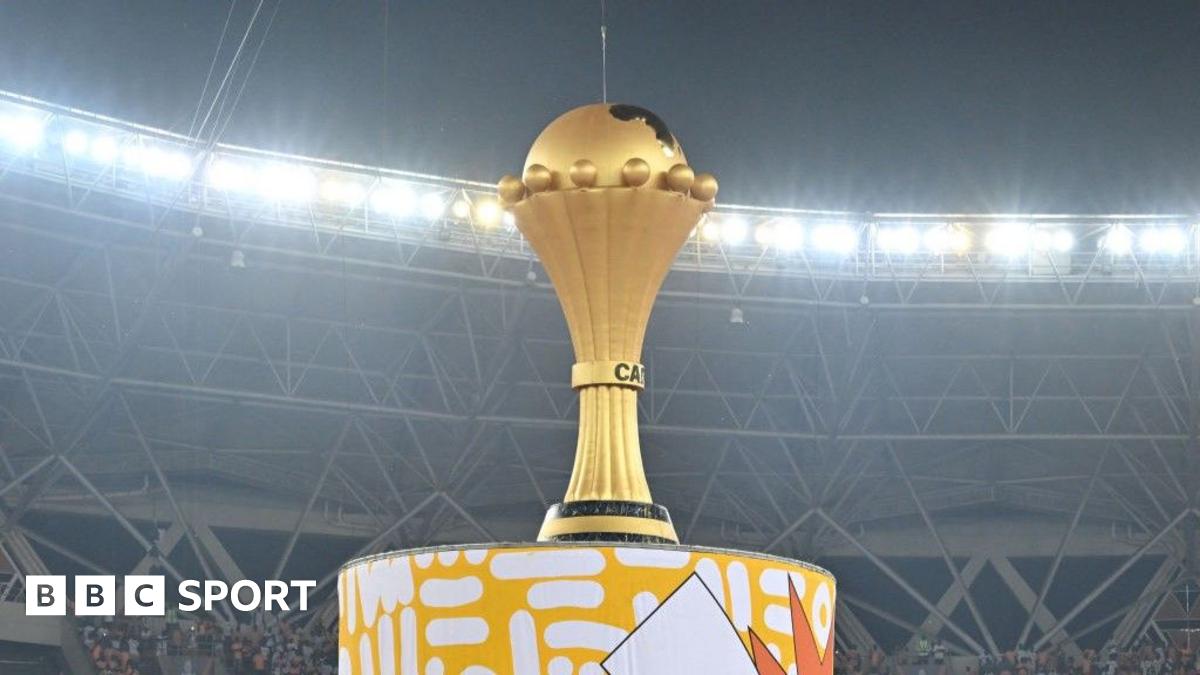
In a significant scheduling shift, the 2025 Africa Cup of Nations (AFCON) will now take place from December 21, 2025, to January 18, 2026, across six Moroccan cities: Rabat, Casablanca, Marrakech, Agadir, Tangier, and Fez. This marks the first time the tournament will commence in December rather than its traditional January-February timeframe.
The rescheduling decision primarily stems from FIFA’s expanded Club World Cup, which occupies the summer 2025 calendar slot originally intended for AFCON. While the move avoids direct scheduling conflicts with UEFA’s Champions League and Europa League (resuming January 20 and 22, 2026), it has created substantial preparation challenges. Players will be released from their clubs on December 15, leaving national teams with merely one week for pre-tournament preparations—a timeframe that has drawn sharp criticism from coaches.
Angola’s coach Patrice Beaumelle characterized the situation as “nonsense,” stating that proper team preparation is impossible within “just two or three sessions.” This compressed timeline contrasts with Morocco’s original summer hosting vision, which aimed to boost tourism and showcase infrastructure ahead of its co-hosting role for the 2030 World Cup with Spain and Portugal.
Historically, AFCON’s winter scheduling accommodates Africa’s diverse climate patterns, avoiding rainy seasons and extreme heat that characterize summer months in many host nations. The tournament has been held primarily in January-February since the 2019 edition in Egypt, with the 2023 Ivory Coast tournament similarly moved from summer 2022 due to weather concerns.
In a parallel development, Confederation of African Football president Patrice Motsepe announced on December 20 that AFCON will transition from its traditional biennial format to a quadrennial cycle starting in 2028. This structural change aligns AFCON with other major international tournaments and follows proposals by FIFA president Gianni Infantino, who previously suggested September-November scheduling to minimize club conflicts.