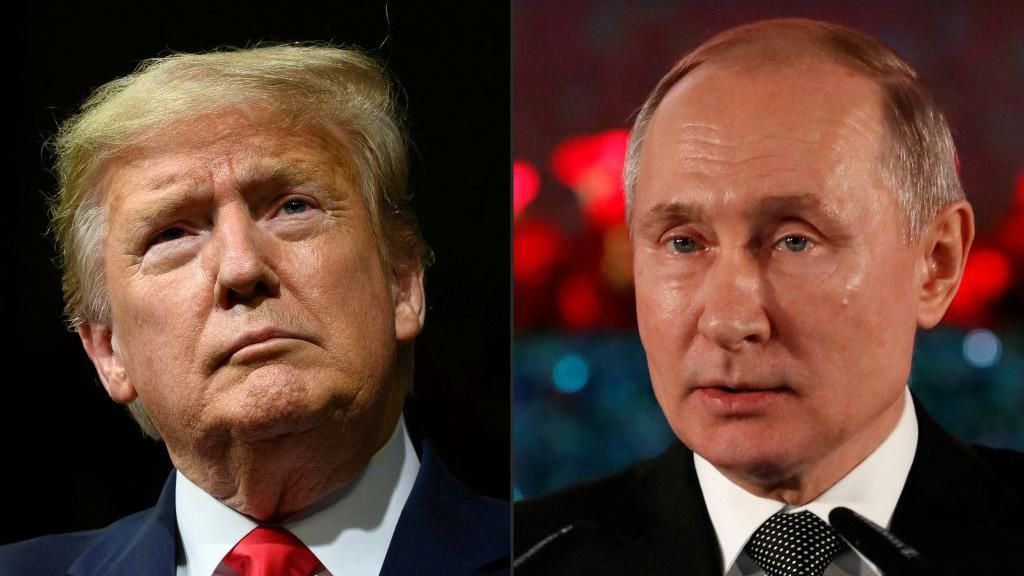
The Trump administration has implemented a significant policy shift by temporarily easing sanctions on nations purchasing Russian oil, drawing both praise from the Kremlin and sharp criticism from pro-Ukraine advocates. This one-month waiver permits countries to acquire Russian oil previously stranded at sea due to existing sanctions.
Treasury Secretary Scott Bessent defended the move as a “tailored, short-term” measure aimed at mitigating economic repercussions from the U.S.-Israel conflict with Iran. He asserted that Russia would gain only limited financial benefits while addressing instability caused by what he termed “the terrorist Iranian regime.”
However, prominent Putin critic Bill Browder condemned the decision as “a terrible move that will enrich Vladimir Putin and prolong the Ukraine war.” This sentiment was echoed by Benjamin Hilgenstock of the Kyiv School of Economics, who characterized the policy as “a serious bailout” for Putin’s regime. He estimated potential monthly revenue increases of approximately $10 billion from Russian oil exports, with half flowing directly into government coffers as tax revenue.
The policy reversal marks a dramatic departure from previous U.S. stance, which included imposing a 50% tariff on Indian imports in August over allegations of purchasing Russian oil. The sanctioned oil had accumulated on tankers near India and other Asian coasts as traders sought willing buyers.
Russian economic envoy Kirill Dmitriev welcomed the development, interpreting it as recognition of Russia’s crucial role in global energy stability and predicting further sanctions relaxation as “inevitable.”
The strategic implications extend beyond immediate economic impacts. Warren Patterson of ING noted that Asian nations, particularly India, would likely be the primary purchasers of the newly available Russian oil. The ongoing closure of the Strait of Hormuz—normally handling 20% of global oil trade—has created supply disruptions driving prices upward and renewing inflation concerns among policymakers.
European allies including Britain, Canada, and Germany have expressed opposition to the sanctions easing. UK Energy Minister Michael Shanks warned that Putin would view this as “a chance to invest in the war machine,” while German Chancellor Friedrich Merz noted that six of seven G7 leaders supported maintaining anti-Russian sanctions.
Analysts from the Centre for Research on Energy and Clean Air suggested Russia would use this opportunity to clear stored oil from tankers and resume production previously constrained by storage limitations. The Hormuz crisis was described from a Russian policy perspective as an “act of God” that has stretched Western sanctions beyond their operational limits.