Global energy markets have been stuck in a chaotic whipsaw for months, swinging wildly with every shift in headlines around the ongoing US-Iran war: bullish drops on rumors of a pending peace deal, sharp spikes when fighting reignites, even as President Donald Trump repeatedly claims a final agreement is within reach. Yet even at their most recent lowest levels, international crude prices remain 40% higher than they were in late February, when the conflict first began. While markets hold out hope that a coming US-Iran agreement could bring relief, two key factors mean consumers and producers should not expect an immediate return to stable, affordable energy.
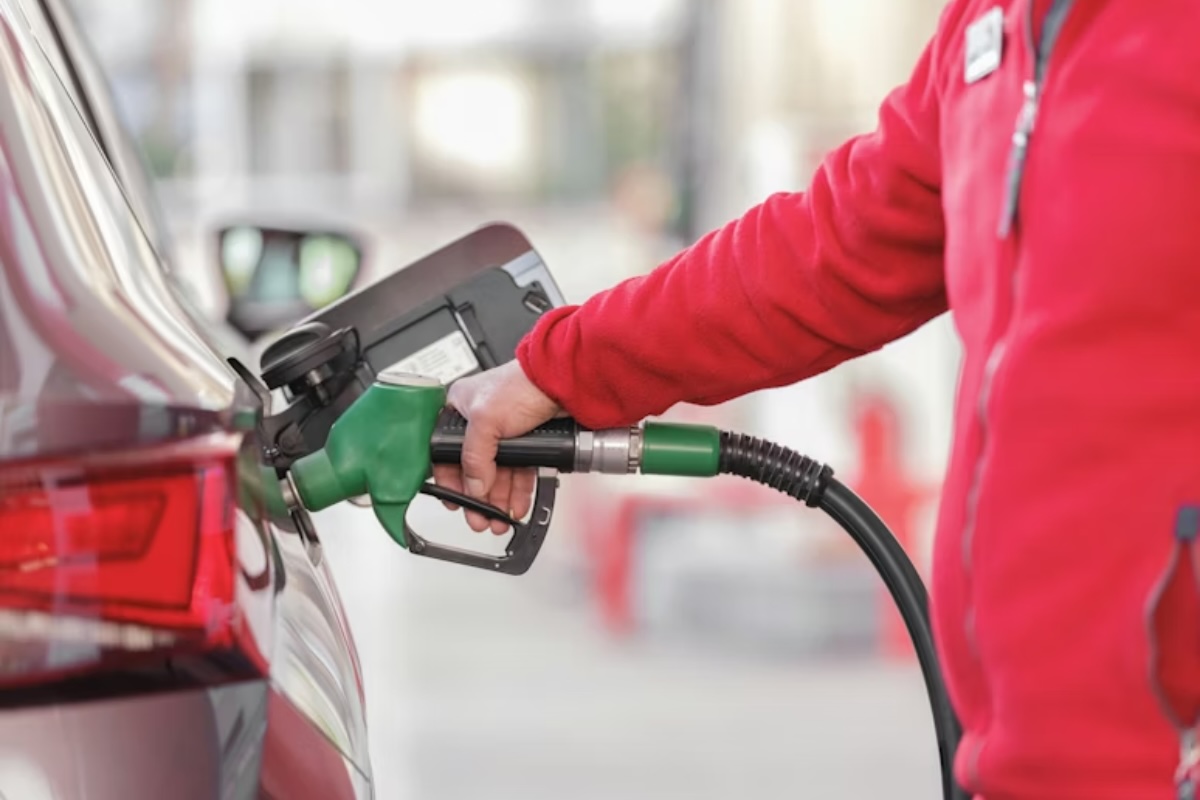
Diplomatic observers widely expect that any forthcoming announcement of a peace deal will only address broad terms, kicking thorny, core issues such as Iran’s uranium stockpile and the full lifting of international economic sanctions to future negotiating rounds. Even so, a preliminary agreement would theoretically be welcome news for two groups hit hardest by the price surge: agricultural producers, who have seen margins crushed by spiking fertilizer and diesel costs, and everyday motorists, who have faced sticker shock at gas pumps across the United States and beyond. But the certainty of this relief is far from guaranteed, for two critical reasons.
First, the Strait of Hormuz—through which roughly a fifth of global oil supplies pass daily—remains Iran’s primary bargaining chip in negotiations. Few analysts expect Tehran to surrender full control of the strategic waterway, even if it agrees to formally reopen the lane for commercial shipping and rule out collecting transit tolls. After demonstrating its ability to disrupt traffic through the strait, Iran could easily reimpose restrictions at any time in the future, keeping persistent upward pressure on global oil prices.
Second, even if Iran fully honors commitments to keep the strait open, long-lasting supply disruptions will keep energy markets tight for months, if not years. Clearing mines laid during the conflict will take weeks, restarting production at idled oil wells will require months of work, and repairing war damage to refineries, pipelines and other critical energy infrastructure across the Middle East will stretch into multiple years. These long-term constraints mean supply cannot rebound quickly enough to bring prices back to pre-conflict levels immediately, even if diplomatic progress is made.
These projections all assume a deal will be finalized in the near term, a timeline that is far from certain. Negotiations have dragged on because both sides believe they hold the upper hand and can outwait the other. The Trump administration insists that crippling economic sanctions have left Iran’s economy in catastrophic condition, forcing Tehran to accept unfavorable terms. For its part, Iran believes Trump cannot politically afford to enter upcoming US midterm elections with persistently high gas prices, leaving Washington motivated to concede more to get a deal done. The question, then, is which side can tolerate sustained economic and political pain longer.
By all public indications, Trump is eager to end the conflict. Reports have suggested he is growing frustrated with the war, which poses growing political risk for his administration. The conflict, which Trump as a candidate promised he would avoid, has started to take on the contours of a foreign policy quagmire, though it differs from past protracted conflicts: the war has only lasted three months, with more than half that period spent under a ceasefire, and has not resulted in the thousands of American casualties that marked decades-long conflicts in Vietnam, Iraq and Afghanistan.
Still, the current stalemate fits a long historical pattern: great powers have repeatedly struggled to achieve decisive victory against much weaker adversaries. This pattern includes the US failure to subdue North Vietnam, the Soviet Union’s costly defeat in Afghanistan, the 21st century’s protracted US wars in Iraq and Afghanistan, and Russia’s ongoing invasion of Ukraine, which has already outlasted the Soviet Union’s fight in World War II.
Looking at broader great power involvement in the conflict, Russia has provided Iran with intelligence and military supplies, a point Trump’s critics have seized on to argue that the president’s close relationship with Russian leader Vladimir Putin has yielded no benefits for US interests. While the critics have a valid point, any pressure on Moscow to end support for Iran would likely be met with a reciprocal demand: Russia could tie cutting aid to Iran to the US ending its own military support for Ukraine, which continues even at reduced levels. Meanwhile, China has maintained quiet ties to all parties to both the Ukraine and US-Iran conflicts: critical components for the military drones used by every side in both conflicts are sourced from Chinese manufacturers.
If negotiations continue to stall amid a shaky ceasefire, Trump has multiple military options to escalate, though none offer a guarantee of success. He could resume large-scale bombing campaigns against Iran, but there is no evidence that increased pressure would force Tehran to buckle. He could authorize a raid to seize Iran’s uranium stockpile, or help Israeli forces carry out such an operation, but such a mission would be extraordinarily complex and high-risk, and would likely have been attempted already if it were easily achievable. Another option is a forced military opening of the Strait of Hormuz, with US naval and air assets escorting commercial shipping through the waterway. This course of action would almost certainly result in casualties, and still cannot guarantee long-term security for shipping. If successful, however, it would eliminate Iran’s core leverage over global oil markets, cutting off Iran’s main oil export revenue and increasing pressure on Tehran to abandon its nuclear program.
For the foreseeable future, however, Iran retains its chokehold over the critical strait—and the economic impact of that leverage continues to be felt by consumers and businesses across every region of the world.