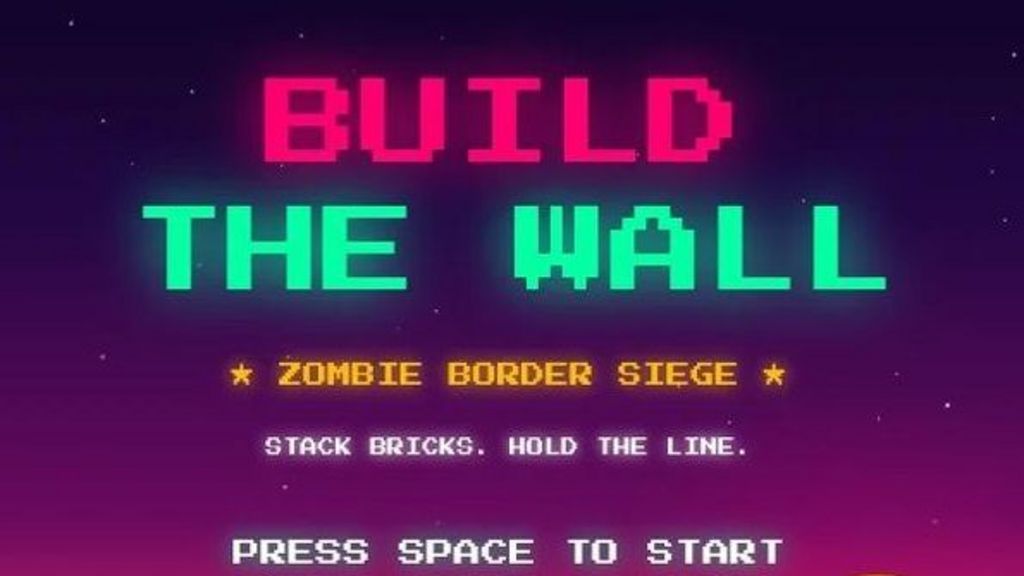
Weeks after the Tetris Company issued formal concerns over unauthorized use of the iconic game’s design and intellectual property, the White House has pulled a controversial Tetris-inspired political minigame titled “Build The Wall” from its official website.
The now-removed game, which tasked players with stacking colored blocks to construct a barrier along the U.S. southern border, was one of five political arcade-style minigames hosted on a new section of the White House site. On September 4, the official Tetris Company account on the social platform X publicly distanced itself from the project, stating it had no involvement in the game’s development and that the organization takes copyright violations extremely seriously. The company added: “At Tetris we believe in the power of connection and building people together, not dividing them. To our fans everywhere: we love you, we see you, and we’re grateful to have you in the Tetris community.”
To date, the White House has declined to respond to multiple requests for comment from media outlets including the BBC, and has not released an official explanation for the decision to take the game offline. This is not the first time the Tetris Company has enforced its intellectual property rights: in 2012, the firm reached an out-of-court settlement for an undisclosed sum with the creators of Mino, an iPhone game it accused of copying the core visual and mechanics of the original Tetris experience.
Four other political minigames remain available on the White House website’s arcade section, each drawing their own criticism for their political messaging and borrowings from existing popular games. One title, “Flappy Bill,” is a direct clone of the 2013 viral hit Flappy Bird, reworked to task players with guiding a bald eagle through obstacles modeled after National Mall monuments. A second, Rio Run, adapts the classic mobile game Snake to frame gameplay as patrolling a river border; when a player collides with the map edge, a counter labeled “Deported” displays how many people the player “caught” during the round.
The collection of games has already sparked pushback from political opponents. Connecticut Democratic State Senator Matt Lesser criticized the initiative in a public X post, writing: “Heating oil is near an all-time high but hey you can play Border Tsar Tom Homan in a video game,” highlighting what critics see as a misplaced priority ahead of critical domestic policy needs.
This episode is far from an isolated incident: it marks the latest in a string of controversies stemming from the Trump administration’s ongoing effort to weave pop culture and video game references into its official political messaging on social media. In October 2025, the official White House X account faced widespread condemnation for sharing an AI-generated image of President Trump dressed in iconic armor from the blockbuster Halo video game franchise. Just months later, in March 2026, the account posted a viral video that blended footage of U.S. military strikes in Iran with popular film and game clips, including a line from Halo’s central character Master Chief: “finishing this fight.” Steve Downes, the voice actor behind Master Chief, publicly condemned the post in a since-deleted tweet, demanding his voice be removed from what he called “this disgusting and juvenile war porn.”
That same month, The Pokémon Company International also issued a public rebuke of the White House for unauthorized use of its intellectual property, after the administration included a small graphic of the popular character Pikachu in a pro-Trump meme featuring the slogan “Make America Great Again.”