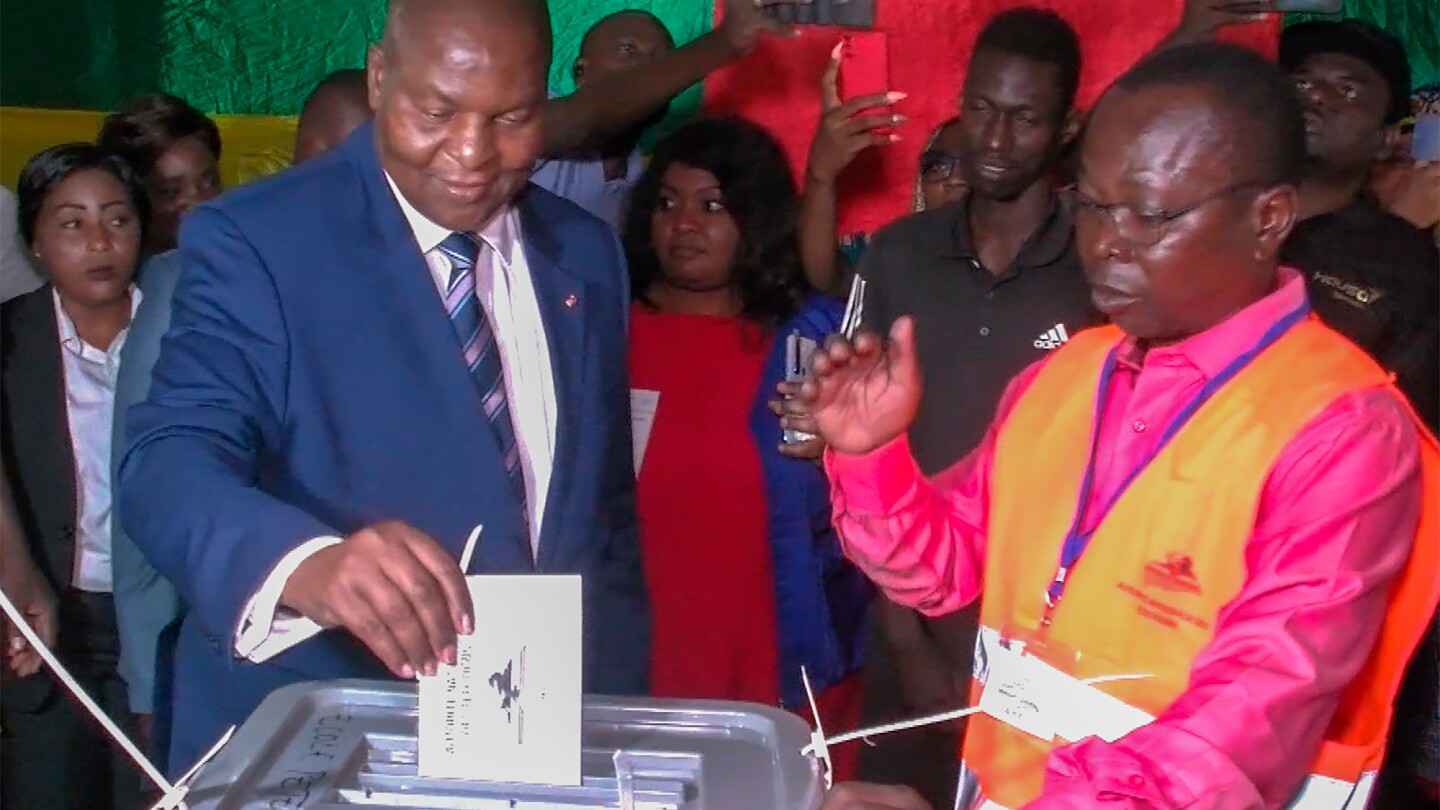
The Central African Republic prepares for critical presidential and legislative elections on December 28th, unfolding against a complex backdrop of security realignments and political controversies. President Faustin Archange Touadéra, who has held power since 2016, stands as the probable victor following a constitutional referendum that eliminated presidential term limits in 2023.
The electoral process occurs amid escalating tensions between CAR and its primary security partner, Russia. Moscow has pressured Bangui to replace the Wagner Group mercenary force with its newly established Africa Corps military unit. This demand has created diplomatic friction, as CAR officials reportedly prefer Wagner’s effectiveness and their mineral-based payment arrangement over cash transactions preferred by the Russian government.
Security conditions show paradoxical improvements despite persistent challenges. Human Rights Watch acknowledges that recent peace agreements with armed groups have created unprecedented stability, bolstered by UN peacekeeping forces (MINUSCA), Rwandan special forces, and Russian security contractors. The 17,000-strong MINUSCA contingent will provide election security despite planned reductions due to budget constraints.
Electoral integrity faces serious questions as the main opposition coalition announces a boycott, citing an uneven political landscape. Administrative obstacles previously barred prominent candidates Anicet Georges Dologuélé and Henri-Marie Dondra until their late November reinstatement by the Constitutional Council. Human Rights Watch has documented incomplete voter registries and insufficiently trained polling staff, particularly in rural areas.
Regional dynamics further complicate the political landscape. Rwanda maintains significant military influence through both UN participation and bilateral agreements that grant Kigali access to CAR’s agricultural and mineral resources in exchange for security support. This arrangement reflects Rwanda’s strategy of securing alternative mineral sources amid tensions with the Democratic Republic of Congo over alleged support for M23 rebels.
Analysts predict the opposition boycott and limited campaign period will likely ensure Touadéra’s victory and continued dominance by his ruling party, raising questions about the election’s democratic legitimacy amid CAR’s delicate security balance.