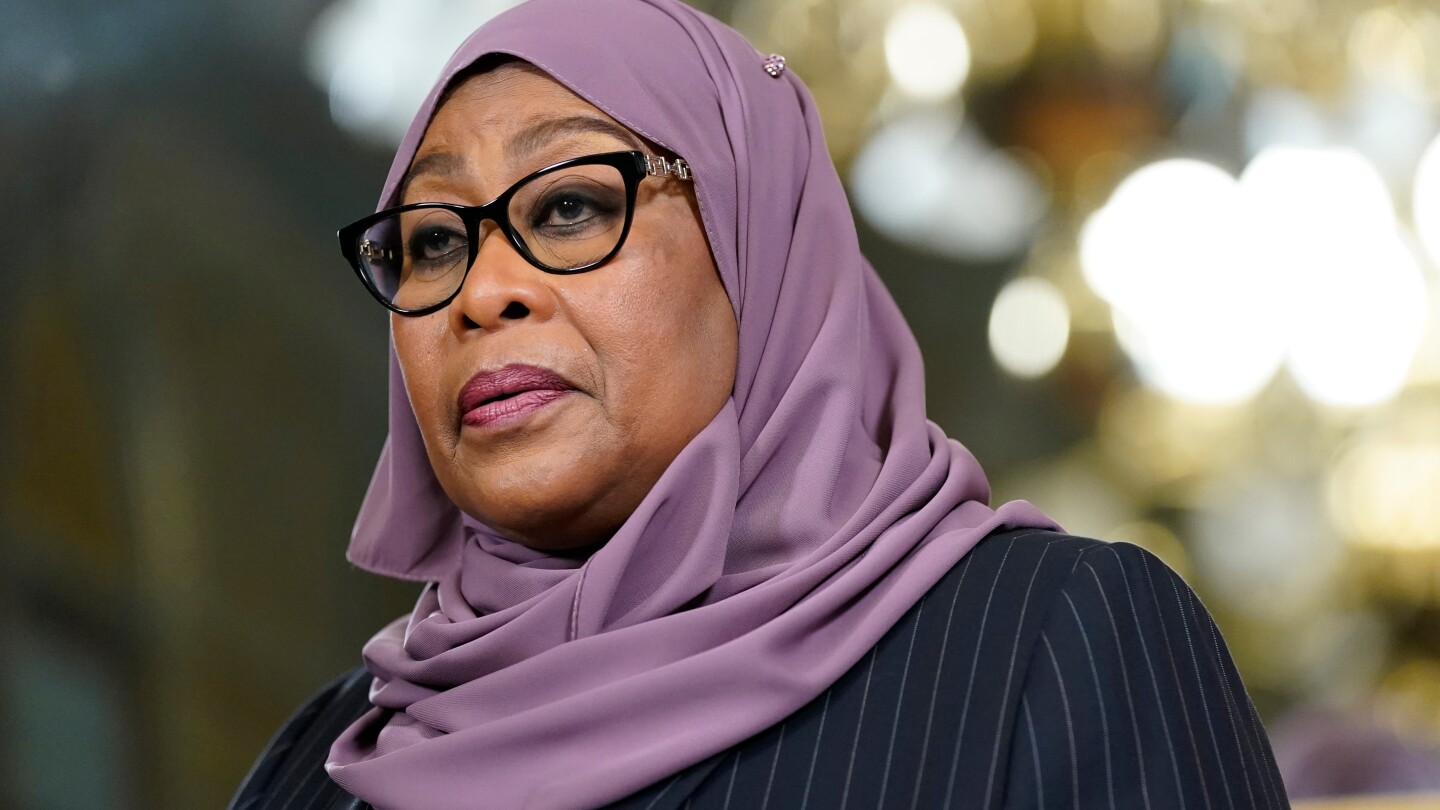
Tanzania is grappling with widespread unrest following its October 29 elections, which international observers have criticized as neither free nor fair. The violence erupted as security forces attempted to suppress opposition protests, leading to a disputed death toll. The leading opposition party, Chadema, claims hundreds were killed, while the government denies these allegations. President Samia Suluhu Hassan, who assumed office in 2021 after her predecessor’s death, secured over 97% of the vote, according to official results. However, her main rivals, Tundu Lissu of Chadema and Luhaga Mpina of ACT-Wazalendo, were barred from running, amid accusations of repression, enforced disappearances, arbitrary arrests, and extrajudicial killings by Amnesty International.
Hassan, Tanzania’s first female head of state, faces criticism for her administration’s crackdown on political opponents. Critics argue that she is largely a figurehead, with key decisions influenced by loyalists from Zanzibar, her birthplace. This has raised concerns about factionalism within the ruling Chama cha Mapinduzi (CCM) party, which has governed Tanzania since independence in 1961. Analysts, including William Farmer of Africa Practice, note that the Zanzibar clique lacks extensive government experience.
Other prominent figures in Tanzania’s political landscape include former President Jakaya Kikwete, who remains influential and is seen as a behind-the-scenes supporter of Hassan. Vice President Emmanuel Nchimbi, a former interior minister, is considered a potential presidential candidate when Hassan’s term ends in five years. Additionally, Hassan’s son, Abdul Halim Hafidh Ameir, has been accused of orchestrating the recent crackdown, though he holds no formal government role. Former regional commissioner Paul Makonda, a Hassan ally, is also expected to play a significant role in the next administration, despite U.S. sanctions for his alleged involvement in oppressing political opposition.