In the most explicit articulation of American negotiating positions to date, United States Trade Representative Jamieson Greer presented a comprehensive set of demands to a Congressional committee on Wednesday. This testimony forms a critical part of the ongoing review process for the United States-Mexico-Canada Agreement (USMCA), the North American free trade pact whose future hangs in the balance. While both Canada and Mexico advocate for its extension, former President Donald Trump has previously suggested a potential US withdrawal, adding urgency to the proceedings.
Greer characterized the USMCA as only “successful to a certain degree,” asserting that specific changes are prerequisites for its continuation. The American demands center on three primary areas of longstanding contention.
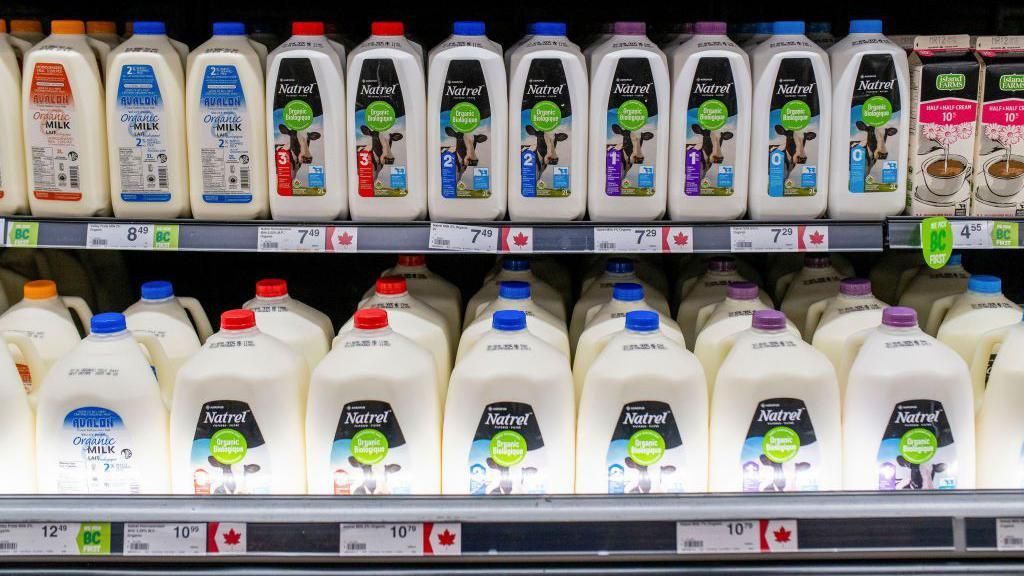
Foremost is Canada’s protected dairy sector, governed by a supply-management system that imposes production quotas and strict import controls to bolster domestic farmers. The U.S. contends this framework creates an unfair market, citing Canadian tariffs on American dairy that can soar as high as 400%. Although a limited volume of U.S. dairy enters Canada tariff-free, the designated quota has never been fully utilized. Despite Canada being a top importer of U.S. dairy, purchasing over $1.1 billion in 2024, American officials are pushing for significantly expanded market access. A further grievance involves accusations that Canada is “dumping” specific dairy products, like nonfat milk solids, into international markets at artificially low prices.
A second major point of friction is Canada’s Online Streaming Act, legislation enacted in 2023 under the previous Trudeau administration. This law mandates that foreign streaming giants, including Netflix and Spotify, financially contribute to and promote Canadian content on their platforms, with a regulator empowered to levy penalties for non-compliance. The U.S. Trade Representative’s office has decried the act as discriminatory against American technology and media corporations, demanding its revision. Greer also cited the separate Online News Act, which prompted Meta to block news content for Canadian users on Facebook and Instagram, as another policy requiring resolution.
The third key demand addresses the retaliatory bans on American liquor sales enacted by most Canadian provinces earlier this year. These boycotts were a direct response to the sweeping 35% tariffs imposed on Canadian goods by the Trump administration. The move has significantly impacted American producers, and the U.S. is now insisting these products be returned to provincial shelves as a condition for the trade pact’s future.
Additional, though briefly mentioned, irritants include alleged “discriminatory procurement measures” in Ontario, Quebec, and British Columbia, cumbersome customs procedures for U.S. exports, and a dispute over market access for Montana-based power providers into Alberta’s electrical grid, which the Alberta government firmly denies.