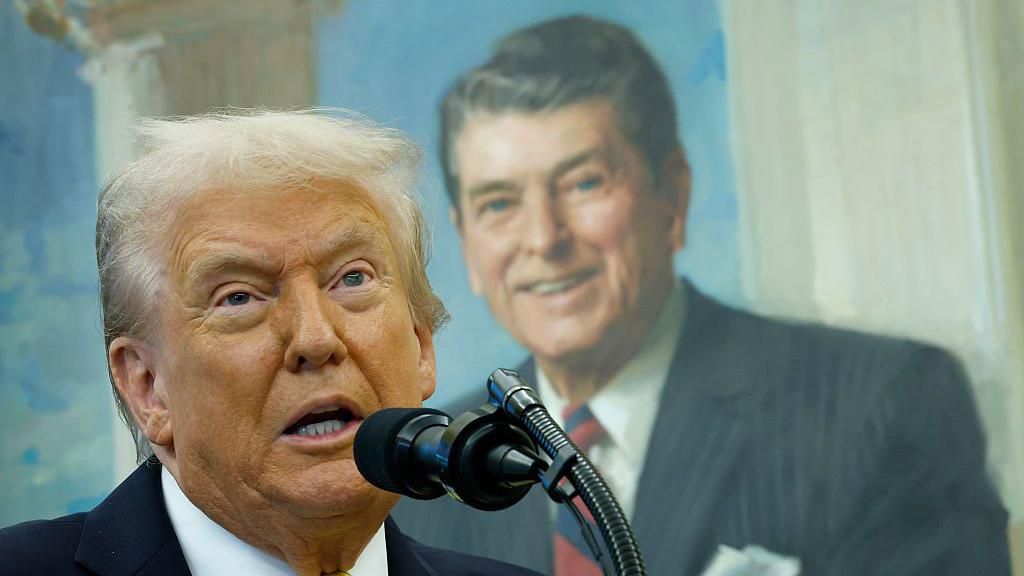
In a rare public acknowledgment, U.S. President Donald Trump has confirmed his authorization of covert CIA operations in Venezuela, a move typically shrouded in secrecy. This presidential finding grants the CIA broad authority to conduct activities in the region, including targeted strikes against suspected drug traffickers and efforts to destabilize or overthrow the regime of Nicolás Maduro. Such authorizations, historically used to support foreign policy objectives and national security, have previously led to drone strikes, funding for insurgencies, and even regime changes in other countries. While these operations must be reported to congressional intelligence committees, they do not require legislative approval, leaving significant discretion to the president. Former CIA officials note that the scope of these actions can vary widely, from targeted killings to covert influence campaigns, with historical precedents in Latin America and beyond. Critics, however, caution against the potential risks and ethical dilemmas posed by such interventions, citing past U.S. actions in countries like Nicaragua, Afghanistan, and Syria. The specifics of the current authorization remain unclear, leaving open questions about its implementation and long-term implications.