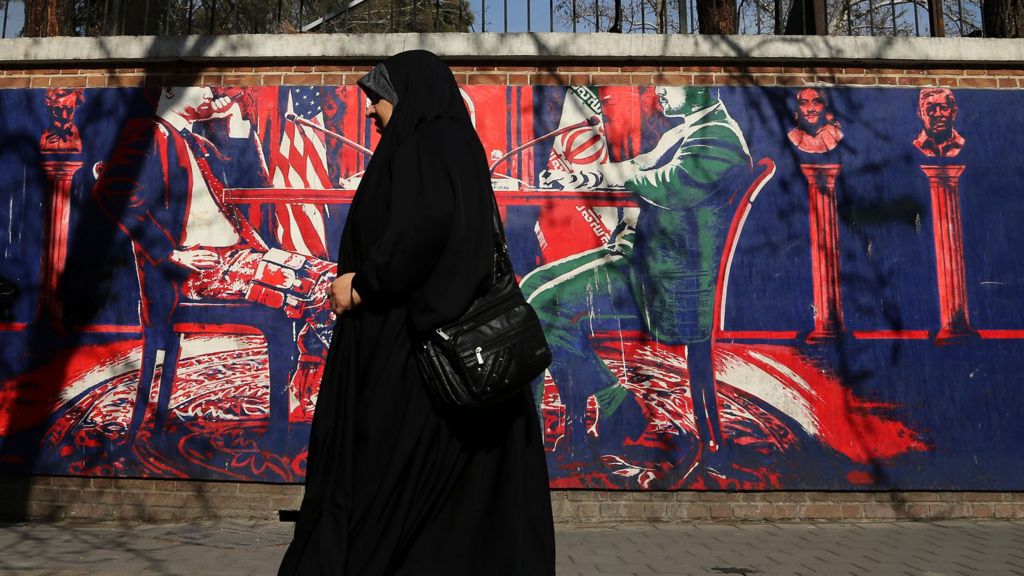
The United States is reportedly preparing for potential military action against Iran within days, raising critical questions about possible outcomes and regional consequences. According to analysis of current geopolitical tensions, the Trump administration appears positioned to authorize targeted strikes against Iranian military infrastructure.
Military strategists anticipate precision attacks focusing on key installations of Iran’s Islamic Revolutionary Guards Corps (IRGC) and associated Basij paramilitary units. Potential targets include ballistic missile facilities and nuclear program sites, though the ultimate political outcomes remain highly uncertain.
Several scenarios could emerge from such military engagement. The most optimistic projection suggests the possible collapse of Iran’s already weakened regime, potentially leading to democratic transition and international reintegration. However, historical precedents in Iraq and Libya demonstrate that Western military intervention often brings chaos rather than smooth political transitions, despite removing oppressive regimes.
An alternative ‘Venezuelan model’ scenario envisions the Islamic Republic remaining intact but compelled to moderate its policies. This would involve curtailing support for Middle Eastern militias, scaling back nuclear and missile programs, and reducing domestic suppression. Yet analysts consider this outcome unlikely given Tehran’s 47-year history of defiance and resistance to external pressure.
The most probable outcome, according to regional experts, would see the current regime surviving through intensified repression. Iran’s extensive security apparatus has repeatedly demonstrated willingness to use unlimited force against dissent, and protest movements have historically failed to secure military defections.
Iran has vowed severe retaliation against any U.S. attack, with officials stating their ‘finger is on the trigger.’ While outmatched by U.S. naval and air power, Iran could deploy its substantial arsenal of ballistic missiles and drones—many hidden in mountainous terrain and underground facilities—potentially targeting U.S. bases in Bahrain, Qatar, and Jordan.
The 2019 attack on Saudi Aramco facilities, attributed to Iranian-backed militias, demonstrated Tehran’s capability to strike critical infrastructure. Gulf Arab allies remain particularly concerned about becoming collateral damage in any U.S.-Iran confrontation.
Regional security experts highlight additional risks including possible disruption of the Strait of Hormuz, through which 20-25% of global oil exports pass. Iran has conducted mining exercises in these vital shipping lanes, and any interference could significantly impact world trade and energy markets.
Naval warfare specialists note concerns about potential ‘swarm attacks’ using numerous drones and fast attack boats that could overwhelm even advanced U.S. naval defenses. Such scenarios, while considered unlikely, recall previous incidents like the USS Cole bombing that killed 17 sailors in 2000.
The greatest danger identified by analysts is that military action could commence without clear objectives or exit strategy, potentially triggering widespread regional conflict, humanitarian crises, and unpredictable global repercussions as the Middle East’s most populous nation faces potential instability.