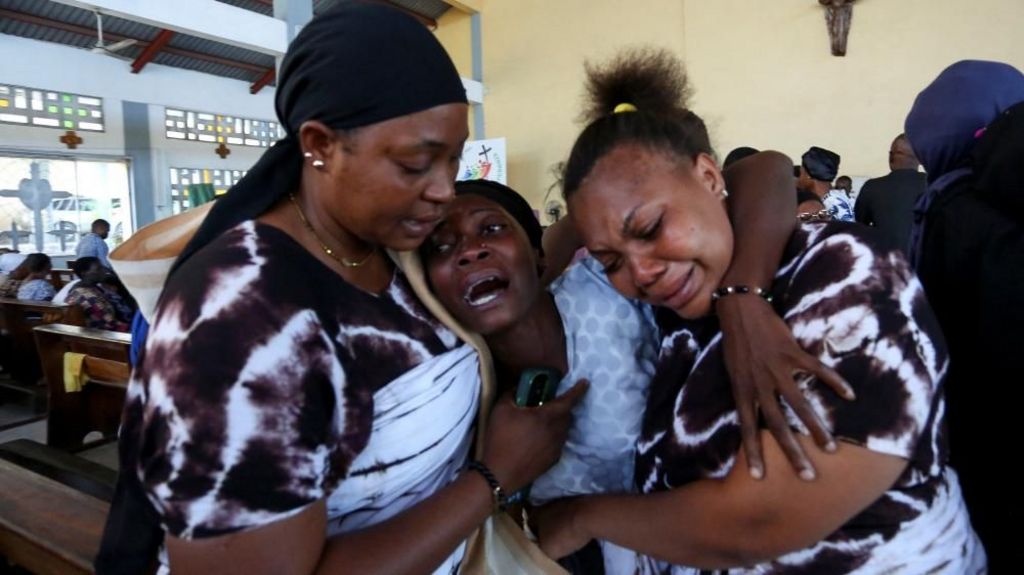
A coalition of Western embassies has intensified diplomatic pressure on Tanzania, demanding the immediate release of bodies belonging to victims of October’s electoral violence and calling for the liberation of political prisoners. The joint statement from 17 diplomatic missions—including the UK, France, Canada, Norway, Switzerland, and multiple EU members—cited credible reports of extrajudicial killings, disappearances, arbitrary arrests, and systematic concealment of bodies by Tanzanian authorities during post-election unrest.
The diplomatic intervention follows President Samia Suluhu Hassan’s recent condemnation of Western interference in Tanzania’s internal affairs. The government has not issued an official death toll, though hundreds are believed killed during violent crackdowns on demonstrations that erupted after the October 29 presidential election. President Samia was declared winner with nearly 98% of votes amid controversy surrounding the exclusion of her main rivals, which opposition groups denounced as a ‘mockery of democracy’.
Authorities imposed an internet blackout and threatened individuals sharing protest imagery during the unrest. While at least 240 people faced treason charges initially, the president later urged prosecutors to demonstrate leniency, resulting in many releases. However, opposition leader Tundu Lissu remains imprisoned on treason charges filed in April.
The Western coalition acknowledged the government’s commitment to investigate the violence but emphasized the necessity of an independent, transparent inquiry involving civil society organizations and political stakeholders. They further urged Tanzania to uphold its international commitments to protect fundamental freedoms and constitutional rights.
United Nations Human Rights Office spokesman Seif Magango corroborated these concerns in Geneva, reporting intensified crackdowns against opponents since mid-November, with dozens of academics, civil society actors, and local political leaders detained—some allegedly by unidentified armed personnel. Magango estimated hundreds killed and over 2,000 detained following post-election demonstrations.
The U.S. State Department announced it is reconsidering bilateral relations with Tanzania following what it termed a ‘heavy-handed response’ against protesters, noting it ‘cannot overlook actions that jeopardize the safety of our citizens, or the security and stability of the region.’
President Samia defended her government’s actions as necessary against protesters she claimed were ‘ready to overthrow the government,’ repeating unsubstantiated allegations that foreign actors colluded with opposition groups to force regime change. The president, who assumed office in 2021 following John Magufuli’s death, initially earned praise for easing political repression but has since presided over a narrowing political space.