In the rugged terrain of Somalia’s al-Miskad mountains, a critical counterterrorism operation unfolds as Puntland Defence Forces utilize drone surveillance to track Islamic State militants hiding in remote cave networks. This barren landscape, once home only to nomadic communities, has transformed into a strategic foothold for ISIS since its fighters were displaced from Middle Eastern strongholds.
The emergence of IS-Somalia represents a significant evolution in global terrorist networks. Established by British-Somali national Abdulqadir Mumin, the group has forced al-Shabab militants out of Puntland’s mountainous regions, creating a sophisticated training and financial hub that supports ISIS affiliates across Africa and beyond. Despite being pushed out of the port city of Bosaso in early 2025, the group maintained control over villages like Dardar, where they imposed a brutal regime characterized by strict social controls and violent enforcement.
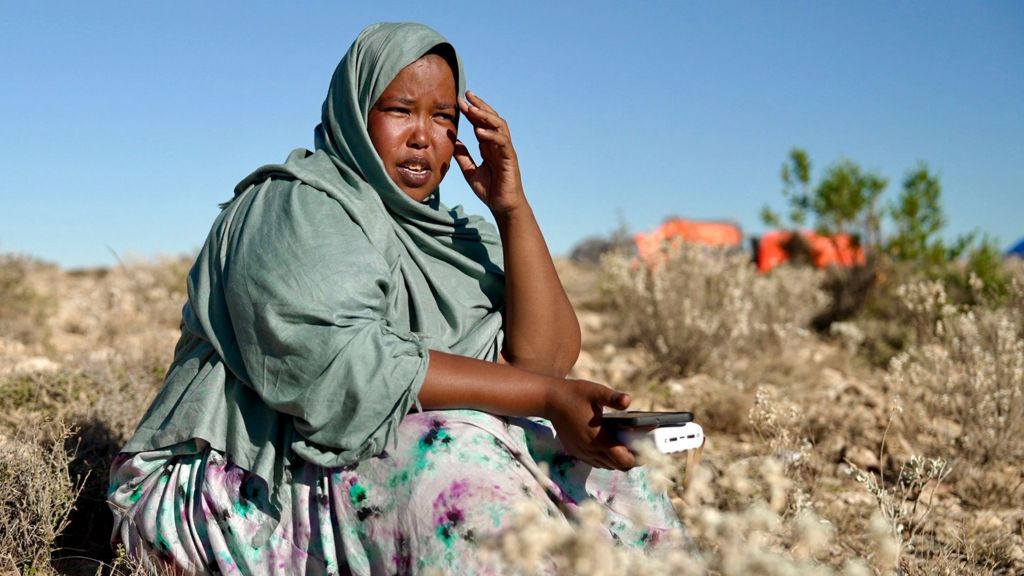
The human cost of this conflict is profound. Local residents describe living under constant fear, with strict dress codes, gender segregation, and bans on music enforced through intimidation and violence. The story of Mahad Jama’s niece Shukri, who was kidnapped and killed while pregnant, exemplifies the trauma inflicted upon communities. Her deaf seven-year-old son was also murdered during the same attack.
International support, particularly from the United States, has been crucial to counterterrorism efforts. The Pentagon conducted approximately 60 airstrikes against IS-Somalia in 2025 alone, with ongoing drone surveillance providing critical intelligence for ground operations. Despite these efforts, the UN estimates ISIS maintains up to 800 fighters in Somalia, more than half foreign recruits from countries including Ethiopia, Morocco, and Syria.
The Puntland Forces have demonstrated remarkable resilience, claiming hundreds of ISIS casualties and capturing numerous foreign fighters over 16 months of intense combat. Among them is 32-year-old officer Muna Ali Dahir, one of the few women serving on the front lines, who draws motivation from her eight children back home.
While experts like American University’s Tricia Bacon acknowledge that ISIS’s local attack capabilities have been degraded, the organization remains a dangerous node in global terrorist networks, providing resources and support to affiliates worldwide. The determination of soldiers like Abdikhair Jama—who vows to continue fighting ‘until the last fighter is captured’—reflects the ongoing nature of this complex conflict that shows no signs of imminent resolution.