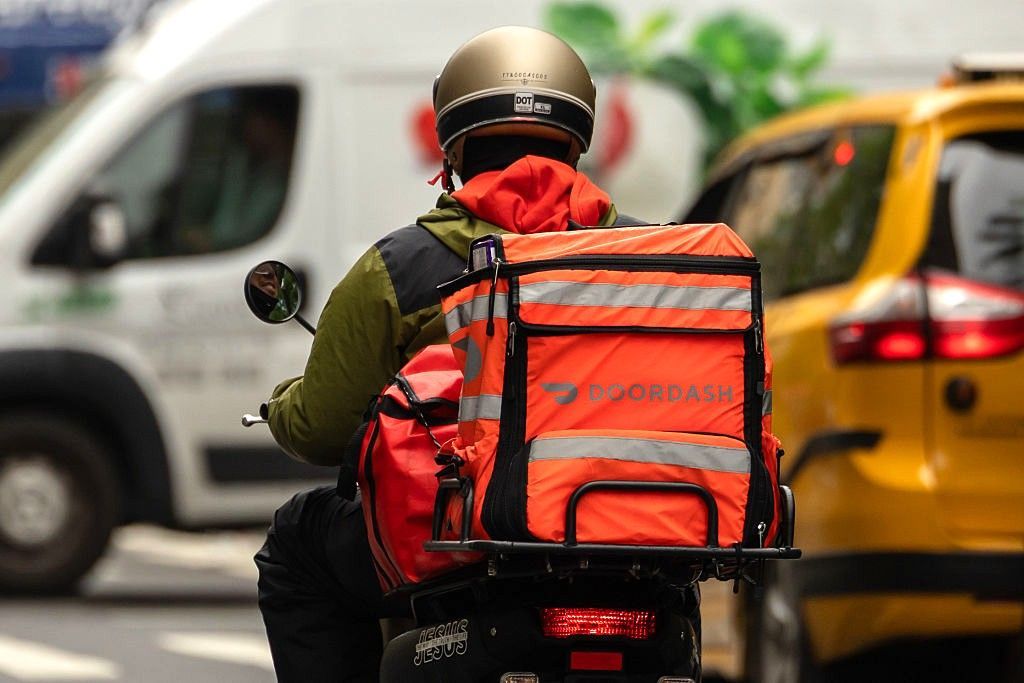
Gig delivery giant DoorDash has reached a $131.5 million settlement agreement with New York City regulators, resolving allegations that the company systematically failed to compensate thousands of its delivery drivers accurately and on time. In a candid admission of fault, the firm acknowledged, “Simply put, we screwed up. Our mistakes meant some Dashers were underpaid or paid late.”
The settlement comes after an investigation launched by the city’s Department of Consumer and Worker Protection into widespread wage violations by the platform. More than 63% of the total payout — $83 million — is earmarked to resolve disputes over how DoorDash calculated compensation for idle time that drivers spend logged into the app waiting between active orders, a longstanding contentious issue in the gig delivery sector.
This agreement is the latest high-profile clash between gig economy platforms and New York City municipal leadership, joining a string of conflicts that have involved other major delivery services including Uber Eats and Grubhub. These platforms have repeatedly squared off against city officials over a range of regulatory matters, from mandatory tipping transparency and minimum wage standards to mandatory data-sharing requirements.
Idle time pay has emerged as one of the most divisive issues in the app-based delivery industry. For years, major platforms only compensated drivers for time spent actively completing deliveries, but New York City’s groundbreaking 2023 minimum wage rule for gig delivery workers requires companies to pay drivers for all time they are logged into the platform and available to accept orders. Under that regulation, pay rates vary by county, and are adjusted based on worker volume and tipping structures.
DoorDash, which is headquartered in San Francisco, pinned the errors on a combination of factors: the “complex” rollout of New York’s new 2023 minimum wage framework, unaddressed software glitches, and misaligned pay calculations for multi-stop delivery routes. The company emphasized that while the mistakes were not deliberate, it accepts full responsibility for the harm caused, stating, “While these mistakes weren’t intentional, that doesn’t make them okay.”
According to company disclosures, the programming and calculation errors affected approximately 264,000 active DoorDash drivers based in New York City. Despite the large number of workers impacted, DoorDash noted that the issues only affected less than 1% of all local delivery transactions processed by the platform. Systemic flaws left approximately $6.6 million in earned wages never distributed to drivers at all, while an additional $5.7 million in pay was sent out days or even weeks later than required.
DoorDash says it has already fixed the software bugs that led to the violations, and reaffirmed that its local New York drivers currently earn an average of roughly $30 per active hour. The settlement paves the way for back pay to be distributed to thousands of affected gig workers, and puts the spotlight back on ongoing regulatory fights over worker protections in the rapidly growing gig economy.