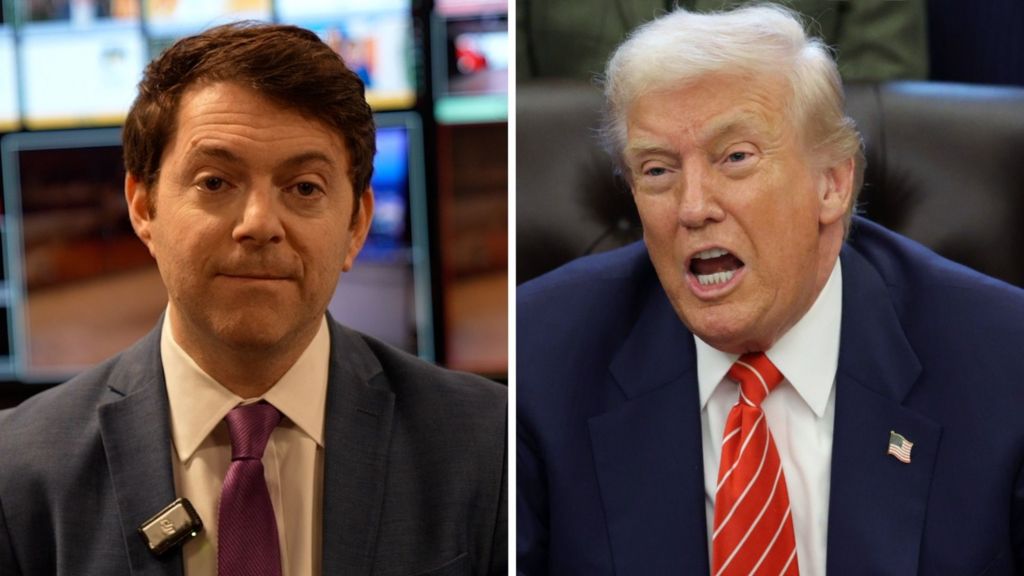
President Donald Trump’s recent suggestion to nationalize U.S. elections has ignited intense constitutional and political debate during a critical midterm election year. The proposal, which would fundamentally alter America’s decentralized voting system, has drawn swift reactions from legal experts and political figures across the spectrum.
The American electoral system has historically been administered at state and local levels, with varying procedures and regulations across jurisdictions. This decentralized approach is deeply embedded in the nation’s constitutional framework, granting states considerable autonomy in election administration.
Legal scholars emphasize that implementing such a nationalized system would require unprecedented constitutional amendments, as the Elections Clause specifically reserves election administration powers to state legislatures with congressional oversight. Political analysts note the timing of these comments appears strategically aligned with ongoing debates about election integrity and security.
The discussion emerges amid heightened political tensions surrounding the November midterm elections, where control of both chambers of Congress hangs in the balance. Election law experts caution that any movement toward federalizing elections would face significant legal challenges and practical implementation hurdles.
BBC Washington correspondent Daniel Bush’s analysis highlights how these comments have reverberated through political circles, reflecting deeper divisions about the nature of American democracy and the balance between federal and state authority. The conversation continues to evolve as lawmakers, legal experts, and voting rights advocates weigh the implications of potentially restructuring the nation’s electoral foundation.