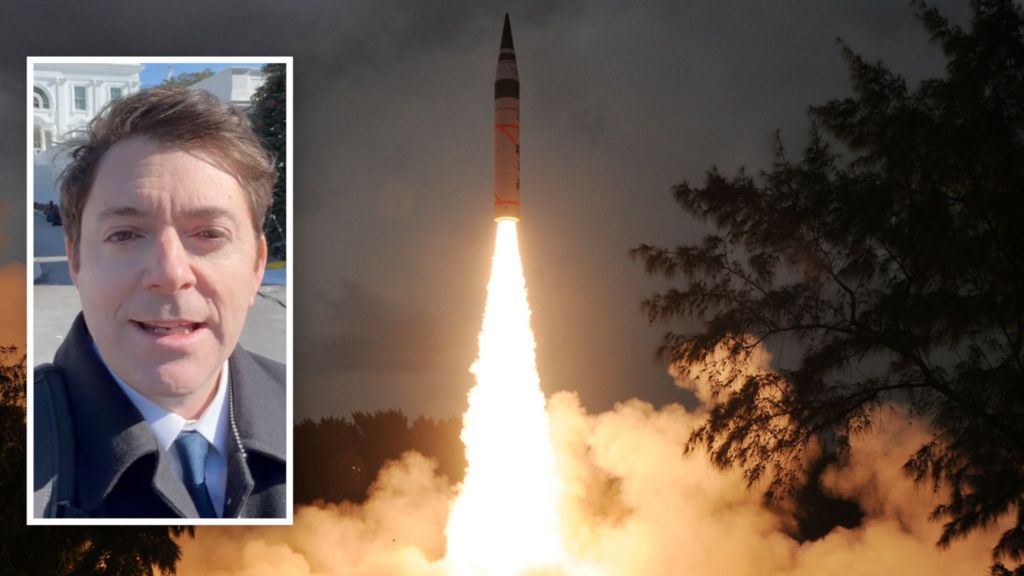
A pivotal chapter in nuclear arms control concluded as the New START treaty between the United States and Russia officially expired, creating an unprecedented scenario where the world’s two largest nuclear powers operate without mutual weapons limitations for the first time in over three decades.
The landmark agreement, which represented the final remaining nuclear arms control pact between the two nations, had established comprehensive verification protocols and capped deployed strategic nuclear warheads at 1,550 for each country. Its dissolution marks the most significant deterioration in US-Russia nuclear relations since the Cold War’s conclusion.
Background analysis indicates this development culminates years of escalating tensions between Washington and Moscow, exacerbated by geopolitical conflicts in Ukraine, allegations of election interference, and broader strategic competition. Both nations had suspended mutual inspections and dialogue mechanisms throughout 2022, effectively rendering the treaty inoperative before its formal expiration.
Arms control experts express profound concern that the absence of verification mechanisms and numerical restrictions could potentially trigger a new nuclear arms race. The strategic implications extend globally, potentially influencing nuclear posture among other nuclear-armed states and undermining the broader non-proliferation framework established since the 1960s.
The international community now faces critical questions regarding future diplomatic pathways. Potential scenarios include bilateral negotiations for a successor agreement, multilateral arms control frameworks involving additional nuclear powers, or alternatively, a complete breakdown of the existing global nuclear order with unpredictable consequences for international security architecture.