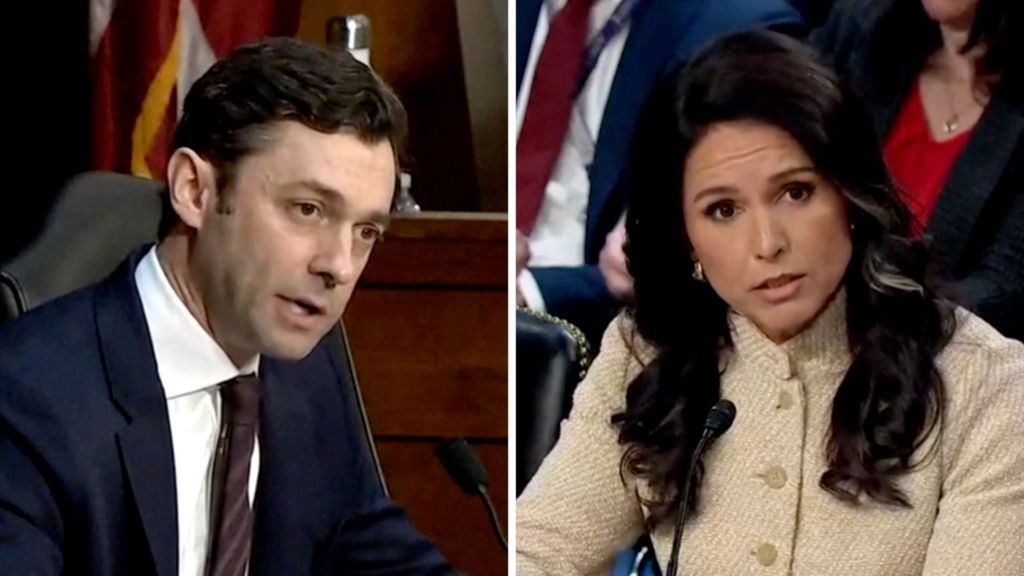
United States Director of National Intelligence Tulsi Gabbard encountered intense congressional scrutiny during a recent oversight hearing, with Democratic lawmakers demanding explanations for apparent contradictions between intelligence community assessments and White House statements regarding Iran’s nuclear capabilities.
The confrontation centered on what legislators characterized as significant discrepancies in how intelligence findings about Iran’s nuclear program have been presented by different branches of the administration. Committee members pressed the nation’s top intelligence official to clarify whether the White House had accurately represented the intelligence community’s analysis or potentially mischaracterized findings for political purposes.
Gabbard, appearing before the House Intelligence Committee, defended the integrity of the intelligence process while acknowledging the complex nature of nuclear threat assessment. She emphasized that intelligence analyses often contain nuanced findings that can be subject to varying interpretations, but maintained that all official statements had remained consistent with the underlying intelligence.
The hearing highlighted ongoing tensions between the legislative and executive branches regarding transparency in national security matters, particularly concerning sensitive intelligence on adversarial nations’ weapons programs. Lawmakers from both parties expressed concerns about maintaining clear distinctions between objective intelligence assessments and policy positions, especially regarding matters with significant geopolitical implications.
This congressional examination occurs amid heightened global attention on non-proliferation efforts and follows recent international negotiations aimed at addressing Iran’s nuclear ambitions. The intelligence community’s assessments on this matter carry substantial weight in shaping both domestic policy decisions and international diplomatic strategies.