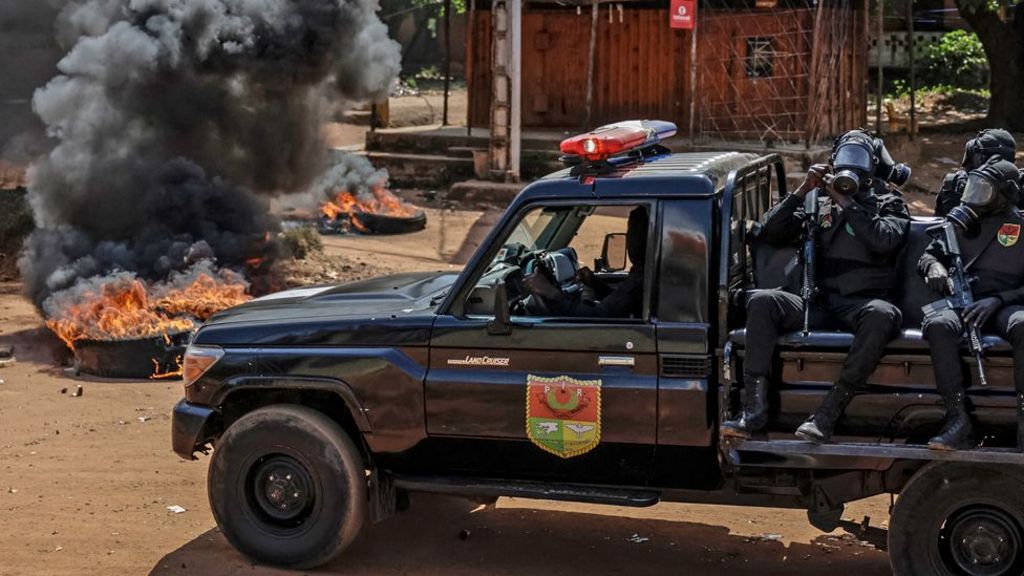
In a development that has left regional experts questioning conventional coup narratives, Guinea-Bissau’s political landscape has been dramatically reshaped by what some are calling a ‘ceremonial coup.’ The events unfolded last Wednesday when military personnel seized control of key government institutions, detained President Umaro Sissoco Embaló, and suspended the electoral process just days after presidential elections.
The military intervention occurred under highly unusual circumstances that have prompted widespread skepticism among political analysts and regional leaders. While soldiers occupied the presidential palace and state television stations—classic coup indicators—the subsequent events deviated markedly from standard military takeover protocols. President Embaló maintained communication with international media during his detention and was permitted to depart for Senegal on a military flight within 24 hours of his arrest, an exceptionally rapid release unprecedented in recent African coup history.
Compounding the mystery, the newly installed military leader, General Horta N’Tam, had been widely regarded as a close ally of the deposed president. The military leadership has vehemently rejected the term ‘coup,’ instead claiming their actions prevented a destabilization plot backed by unnamed politicians and a known drug baron. Meanwhile, attackers destroyed the electoral commission’s main server, effectively eliminating any possibility of verifying the presidential election results that were scheduled for release the day after the military intervention.
Regional reactions have been notably skeptical. Former Nigerian President Goodluck Jonathan, who was observing the elections, characterized the events as a ‘ceremonial coup’ rather than a genuine military takeover. Senegalese Prime Minister Ousmane Sonko similarly dismissed the situation as a ‘sham,’ prompting Embaló’s abrupt departure from Senegal to Congo-Brazzaville.
The political context reveals deeper tensions. President Embaló had previously dissolved the opposition-dominated parliament in 2023 following another alleged coup attempt, ruling without legislative oversight. His main electoral opponent, Fernando Dias da Costa, had been backed by former Prime Minister Domingos Pereira, who was controversially disqualified from the presidential race. Both Embaló and Dias had claimed victory in the election before the military intervention.
Public response has been divided, with some citizens welcoming military intervention while others protest demanding transparency. Hundreds demonstrated calling for Pereira’s release and the publication of election results, while civil society groups have initiated strikes and civil disobedience campaigns. The country now faces an uncertain future under a transitional military government that promises to rule for one year before restoring civilian governance.