The escalating military conflict in the Middle East has sent shockwaves through global energy markets, and its most acute economic impacts are now being felt across Africa, a region where most nations depend heavily on imported energy and remain deeply vulnerable to external supply disruptions. As tensions disrupt critical oil shipping lanes through the Strait of Hormuz, communities and economies across the continent are already grappling with empty fuel station storage tanks, hours-long queues at pumps, soaring price expectations, and growing fears that an already heavy cost of living will become even more unmanageable.
Industry analysts warn that prolonged instability in the Middle East will exacerbate pre-existing economic challenges across African economies, deepening already entrenched inflationary pressure, expanding ballooning trade deficits, and draining already strained foreign exchange reserves at a time when many nations are still fighting to build a stable post-pandemic recovery amid sky-high import costs.
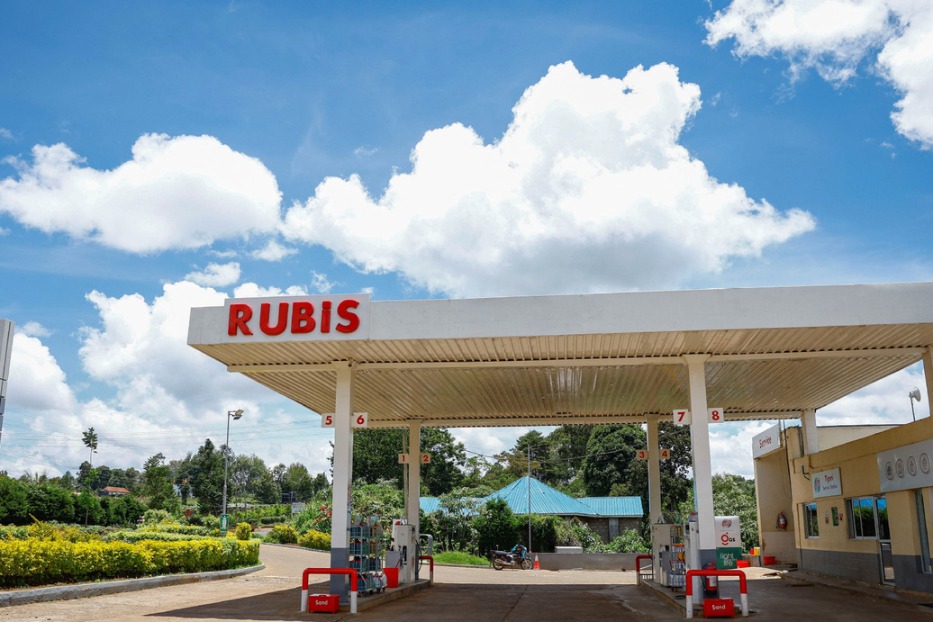
In Kenya, a nation that imports nearly all of its petroleum needs, most via government-brokered agreements with Middle Eastern exporters, fuel retailers have already reported significant supply tightening. Some retail outlets have completely run out of product as global prices climb and market participants prepare for further pump price increases. Vivo Energy Kenya, one of the country’s largest fuel distribution firms, confirmed that it has faced temporary stockouts at a number of its service stations, driven by a combination of elevated consumer demand and global supply chain constraints, adding that it is working urgently to restock its inventory across the network.
In response to growing public anxiety and reports of unauthorized hoarding by suppliers, Kenya’s Energy Cabinet Secretary Opiyo Wandayi has issued a formal directive ordering all oil marketing companies to release any withheld fuel stock to the market, warning that hoarding is a violation of national law and will result in formal sanctions for non-compliant firms.
X. N. Iraki, an economist based at the University of Nairobi, explained that the spike in global energy prices will inevitably be passed through to local consumers at the pump, driving up transportation, manufacturing, and household costs that will push the overall cost of living even higher. Iraki added that the ongoing fuel crisis could carry significant political as well as economic ramifications ahead of Kenya’s scheduled 2027 general election, creating new voter anxiety that will shape political discourse in the coming months. He noted that while Kenya made its first major oil discovery back in 2012, persistent logistical hurdles and financing challenges have delayed large-scale commercial production, leaving the country completely exposed to sudden external energy supply shocks.
Further north in Ethiopia, national authorities have already called for urgent fuel conservation measures as global supply disruptions put growing pressure on domestic energy markets. The Ethiopian Petroleum and Energy Authority has issued an official directive urging both private citizens and commercial businesses to cut non-essential fuel consumption and prioritize supply for critical public services, as lengthy queues have become a common sight at fuel stations in the capital Addis Ababa, and dozens of retail outlets have been forced to temporarily close their doors due to stockouts.
In West Africa, economic analysts warn that prolonged Middle Eastern tensions will add new layers of complexity to macroeconomic management in Nigeria, a country that already struggles with persistently high double-digit inflation. Jide Pratt, country manager for commodity data firm TradeGrid in Nigeria, explained that rising global crude prices will push up production costs across nearly every sector of the country’s economy. Notably, even though Nigeria is one of Africa’s largest crude oil exporters, it lacks sufficient domestic refining capacity, meaning it relies almost entirely on imports of refined petroleum products to meet domestic demand — leaving Nigerian consumers directly exposed to every shift in global energy prices.
In East Africa’s South Sudan, the spreading fuel crisis has already begun to disrupt domestic power supplies, forcing authorities to implement strict energy consumption restrictions. The national government has launched formal electricity rationing programs in the capital Juba to conserve fuel used for thermal power generation.
Regional energy analysts say the unfolding crisis lays bare deep structural weaknesses across African national energy systems, including an overreliance on imported finished fuel products, chronically limited domestic refining capacity, and widespread exposure to sudden foreign exchange volatility that makes energy imports even more costly when global prices rise. Raymond Parsons, an economist at the North-West University Business School in South Africa, noted that the current supply shock poses simultaneous risks to both price stability and economic growth across nearly all African economies.
“It is therefore not good news for either the inflation outlook or growth prospects,” Parsons said. “As the economy experiences a supply-side shock, the economic pain is inevitable.”