Ongoing conflict across the Middle East entered a new phase this weekend, bringing a mix of targeted military strikes, diplomatic maneuvers, and far-reaching economic and global sporting impacts that have rippled across regions.
One of the most surprising developments tied to the broader unrest comes from global football governance. FIFA Secretary General Mattias Grafstrom labeled a Saturday meeting in Istanbul with Iranian football federation representatives as both “excellent” and “constructive”, focused on securing Iran’s full participation in the 2026 FIFA World Cup co-hosted by the United States, Canada, and Mexico. Despite the active military conflict in the region, Iran has confirmed plans to base its national squad and play all three of its group stage matches on U.S. soil. To prepare for the tournament, head coach Amir Ghalenoei announced Saturday that the Iranian team will depart for a pre-tournament training camp and friendly matches in Turkey on Monday, where players will complete U.S. visa applications ahead of their opening match against New Zealand in Los Angeles on June 15. Diplomatic relations between Iran and the U.S. have been severed since 1980, requiring the side to complete all entry documentation from the neutral Turkish location.
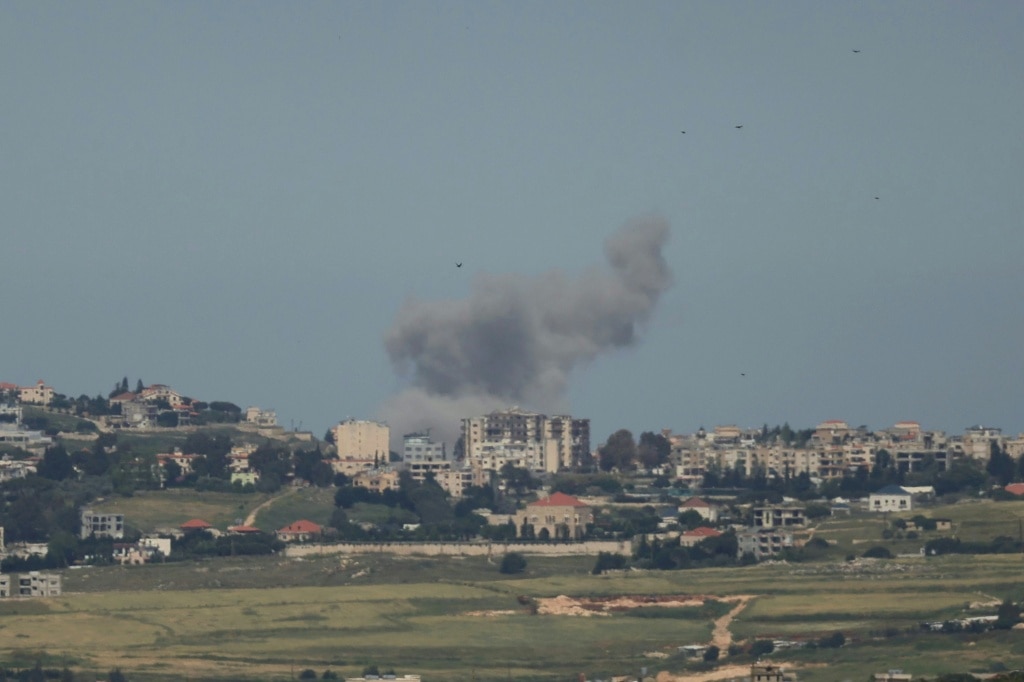
On the military front, Israel has renewed air strikes against Hezbollah positions in Lebanon, breaking a period of fragile ceasefire that had held for a short period. Lebanon’s state-run National News Agency (NNA) confirmed that two strikes hit the town of Sohmor in the eastern Bekaa Valley, with additional strikes targeting multiple locations across southern Lebanon. The escalation comes as a Hezbollah-affiliated member of Lebanon’s parliament described ongoing negotiation efforts between the two nations as a dead end. The Israel Defense Forces also confirmed Saturday that one additional soldier had been killed in combat in southern Lebanon, pushing the service’s total personnel losses to 21 since open conflict with Hezbollah began in early March.
Diplomatic shifts continue to reshape regional power dynamics this week. Iranian media confirmed that Mohammad Bagher Ghalibaf, speaker of Iran’s parliament and a recently prominent lead negotiator in talks with the United States, has been tapped to oversee and coordinate all Iranian relations with China. While the official appointing authority has not been publicly confirmed, Tehran-based Tasnim News Agency reported via informal sources that Ghalibaf will take charge of synchronizing work across all government sectors involved in Iran-China bilateral ties. Pakistan has also ramped up its diplomatic engagement in the region, with Interior Minister arriving in Tehran Saturday to help move forward stalled peace talks between Iran and the U.S. that have remained gridlocked even amid a fragile ceasefire. His visit comes just days after Pakistani Army Chief Field Marshal Asim Munir traveled to the Iranian capital for similar talks.
The United States has also adjusted its military posture in the region, with the Pentagon announcing Saturday that the USS Gerald R. Ford aircraft carrier has returned to its home port in the U.S. after an extended 326-day deployment. The carrier was dispatched to the Middle East ahead of the outbreak of open conflict with Iran, and completed operations in the Caribbean before moving to the region to support combat missions against Iranian targets.
The economic fallout of the conflict continues to hit regional energy markets hard. Iraq’s new oil minister confirmed that crude oil exports passing through the Strait of Hormuz plummeted to just 10 million barrels in April, down from a typical monthly volume of 93 million barrels. As a founding member of OPEC, Iraq moves the vast majority of its crude exports through the strategic waterway, but has been forced to scramble for alternative shipping routes after Iran imposed a blockade on the strait. Iran also confirmed Saturday that multiple European nations have begun negotiations with the Islamic Revolutionary Guard Corps Navy to secure safe passage for their commercial vessels through the strait, following similar talks already completed with East Asian powers including China, Japan, and Pakistan. No further details on the ongoing European negotiations were provided.
Even beyond the Middle East, the conflict has sparked deadly unrest. Officials in Comoros confirmed that days of mass protests over spiking fuel prices, driven indirectly by the U.S.-Israeli conflict with Iran, turned deadly Saturday when one person was killed in overnight clashes between demonstrators and police.