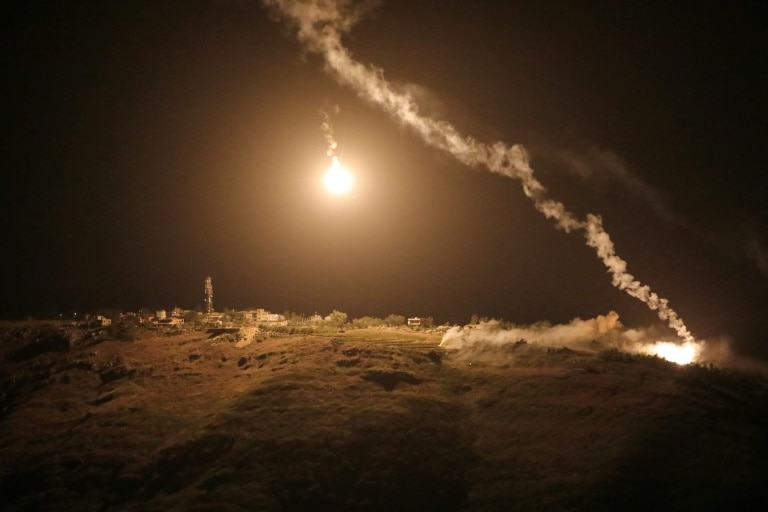
Amid an already volatile regional landscape, new Israeli military operations have shattered a fragile ceasefire in southern Lebanon, sending fresh shockwaves through global energy markets and complicating international diplomatic efforts to de-escalate the broader Middle East conflict.
The Israel Defense Forces announced it had carried out targeted airstrikes against Hezbollah-linked sites in the Tyre region of southern Lebanon on Thursday. In advance of the strikes, the military ordered residents of five local villages to evacuate immediately, a move that defied the existing shaky truce between Israel and the Lebanese militant group. The attack left one Israeli soldier dead in cross-border combat, pushing the IDF’s total combat fatalities to 20 since open hostilities with Hezbollah erupted in early March.
The escalating violence has triggered another round of upward pressure on global crude oil markets, with prices holding firmly above the symbolic $100 per barrel threshold heading into the weekend. Continued conflict has kept the strategic Strait of Hormuz, through which roughly 20% of global oil supplies pass, at heightened risk of disruption, with no immediate prospect of a return to normal shipping operations.
For major energy-importing economies like India, the sustained price shock has forced immediate policy adjustments. State-owned oil marketing companies have lifted retail prices for both petrol and diesel by more than 3% to offset elevated global costs, as the conflict drags on and continues to disrupt global energy supply chains. During an official visit to the United Arab Emirates, Indian Prime Minister Narendra Modi emphasized his government’s push to strengthen New Delhi’s long-term energy security amid widespread market uncertainty. “Keeping Hormuz free, open and safe is our highest priority, and in this matter adherence to international laws is essential,” Modi stated in comments released by India’s foreign ministry.
International powers have stepped in to call for de-escalation. China’s foreign ministry issued a statement Thursday urging an immediate and lasting ceasefire across the region and calling for the swift reopening of critical global shipping lanes. “There is no point in continuing this conflict, which should not have happened in the first place,” the statement read.
Diplomatic efforts to extend the Israel-Lebanon ceasefire are currently underway in Washington, hosted by U.S. mediators. A senior U.S. State Department official described the first day of talks as productive and positive, saying negotiations stretched from 9 a.m. to 5 p.m. and would resume on Friday for a second day of discussions. “We look forward to continuing this tomorrow and hope to have more to share then,” the official added.
On the Iran nuclear front, U.S. President Donald Trump shifted his stance this week in an interview with Fox News host Sean Hannity, suggesting that Israel’s demand to eliminate Iran’s enriched uranium stockpiles is largely a political gesture rather than a critical security imperative. “I just feel better if I got it, actually, but it’s — I think, it’s more for public relations than it is for anything else,” Trump told Hannity. The president also added that he is growing impatient with stalled peace talks with Tehran, urging Iranian leaders to reach a new nuclear deal. “I’m not going to be much more patient… They should make a deal. Any sane person would make a deal, but they might be crazy,” he said.
The mounting regional risks have pushed the International Monetary Fund to warn that the global economy is now moving toward a far bleaker adverse scenario tied to prolonged conflict. The multilateral lender noted that ongoing supply disruptions from the Middle East have forced it to downgrade growth projections and flag heightened inflation risks. Last month, the IMF’s baseline World Economic Outlook projected global growth would fall to 3.1% by 2026. But in a downside scenario where oil prices remain elevated for an extended period, the IMF projects global growth would slow to just 2.5% amid unanchored inflation expectations and tighter global financial conditions.