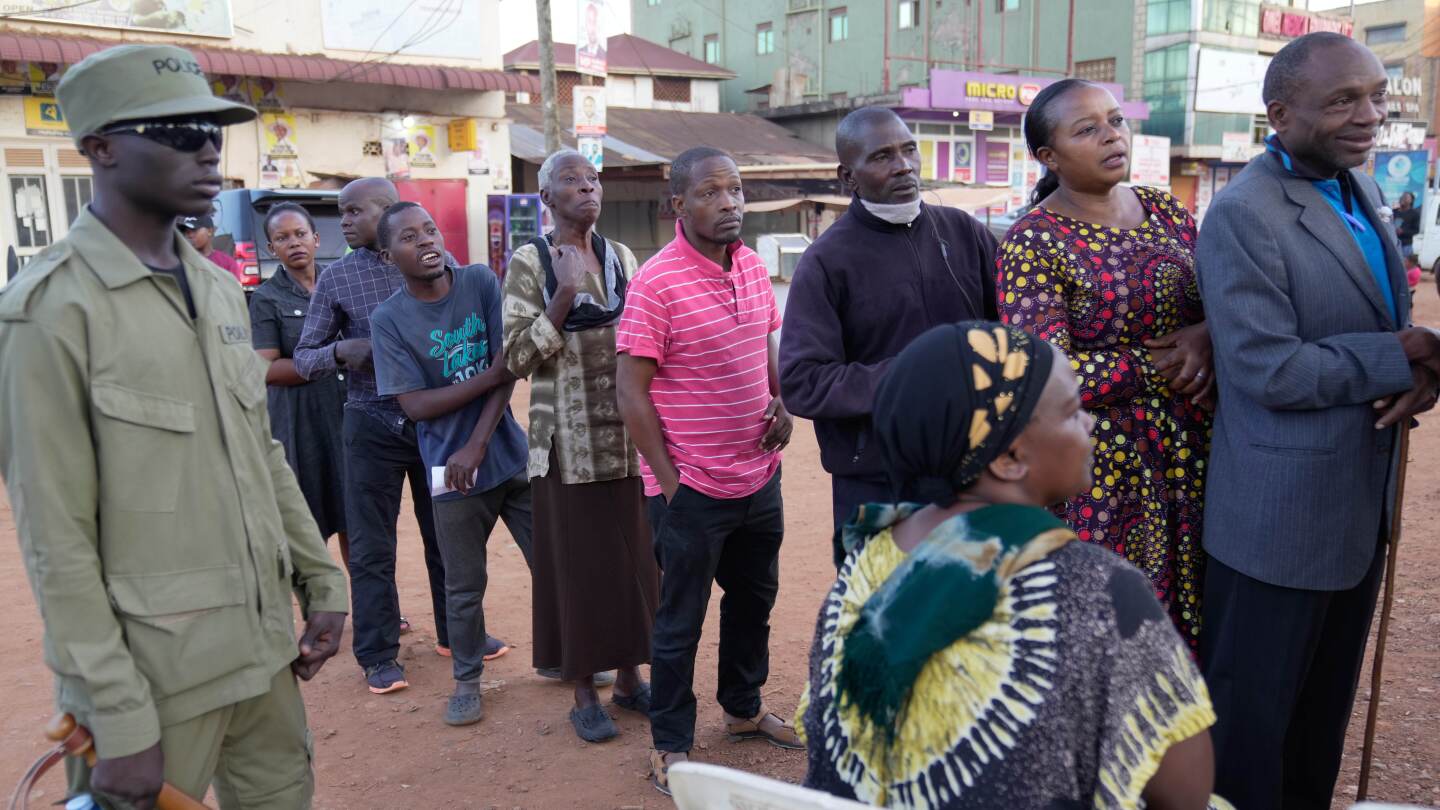
Uganda commenced presidential voting operations on Thursday under unprecedented digital censorship, as nationwide internet blackouts cast shadows over electoral integrity in East Africa’s longstanding political landscape. Despite scheduled 7 a.m. openings, numerous polling stations witnessed significant delays with electoral materials arriving tardily, prompting substantial voter queues across multiple districts.
The electoral contest features 81-year-old incumbent Yoweri Museveni, seeking to extend his 35-year presidency against seven challengers. Most notably, opposition momentum centers around Robert Kyagulanyi—the charismatic musician-politician popularly known as Bobi Wine—who has mobilized youth-led movements demanding systemic political transformation.
With approximately 45 million citizens and 21.6 million registered voters, Uganda’s electoral process unfolds amid international scrutiny regarding digital freedom and transparent governance. The government-enforced internet suspension, criticized by digital rights advocates as fundamentally anti-democratic, severely restricts independent monitoring capabilities and real-time information dissemination.
Electoral officials acknowledge logistical challenges while maintaining that voting procedures will adhere to constitutional standards. However, the communications blackout raises profound concerns about transparency mechanisms in a nation where the same leadership has governed since 1986.