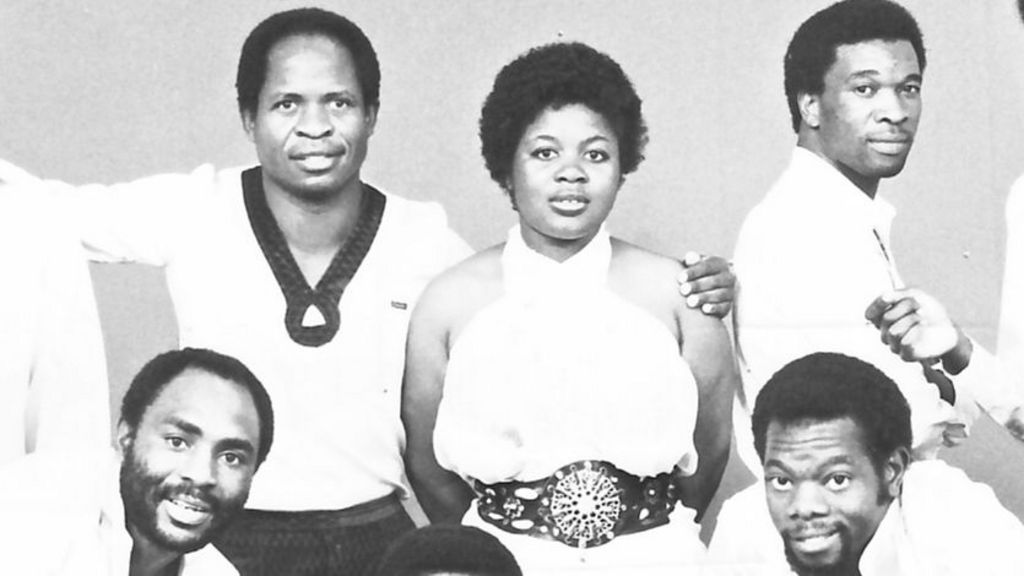
A musical revolution born in 1970s Zambia is experiencing an extraordinary global resurgence, captivating contemporary artists and vinyl collectors worldwide. Zamrock—a potent fusion of psychedelic rock and traditional African rhythms—emerged during Zambia’s post-colonial era as a bold declaration of cultural identity. Now, five decades after its inception, this nearly forgotten genre is commanding unprecedented international attention.
Zambian-born artist Sampa the Great is spearheading the revival movement, incorporating Zamrock’s distinctive sound into her highly anticipated third studio album. The breakthrough single ‘Can’t Hold Us’ showcases the genre’s signature fuzz guitars and defiant spirit, with Sampa declaring through her lyrics: ‘They don’t have the guts to match my prowess.’ Her artistic exploration reveals personal connections to the movement—her uncle, ‘Groovy’ George Kunda, was among WITCH’s founding members.
The Zamrock renaissance extends far beyond African borders. Prominent American artists including Travis Scott, Yves Tumor, and Tyler, the Creator have sampled tracks from legendary Zamrock bands Ngozi Family, Amanaz, and WITCH. The genre has permeated popular culture through television soundtracks for HBO’s ‘Watchmen’ and Apple TV’s ‘Ted Lasso,’ introducing Zambian psychedelic rock to mainstream audiences.
This remarkable revival follows decades of obscurity stemming from Zambia’s economic collapse in the 1980s. The copper market crash, musical piracy, and the devastating HIV/AIDS crisis that claimed numerous musicians—including five WITCH members—effectively silenced the genre for thirty years. Original band members like frontman Emmanuel ‘Jagari’ Chanda transitioned to conventional livelihoods, with Jagari working in mines to support his family.
The turning point arrived in the early 2010s when California-based Now-Again Records began reissuing Zamrock albums. Label head Eothen ‘Egon’ Alapatt recognized the genre’s unique appeal, noting that English-language recordings particularly resonated with international collectors. Original vinyl pressings now command between $100 and $1,000 on the collector’s market.
WITCH has experienced a phenomenal second act, reforming with original members and European musicians. The reinvented band has released two new albums, starred in a documentary, performed at Glastonbury, and completed international tours—achievements unimaginable during their initial run. At 74, Jagari describes the experience as ‘a new lease on life I never expected at my advanced age.’
While celebrating international recognition, Zambian music advocates emphasize preserving the genre’s cultural context. Record store owner Duncan Sodala acknowledges the value of Western sampling but stresses the importance of artists like Sampa the Great who engage with Zamrock’s complete artistic tradition rather than treating it as mere source material.
The movement continues gaining momentum through Zambia’s new generation of artists, dedicated festivals, and museum exhibitions. Sampa characterizes her upcoming work as ‘nu Zamrock,’ blending traditional elements with contemporary hip-hop influences. As Jagari poetically observes from his New Zealand tour stop: ‘The fire has been lit. It’s up to the younger generation to put more firewood to it and let the flames burn.’