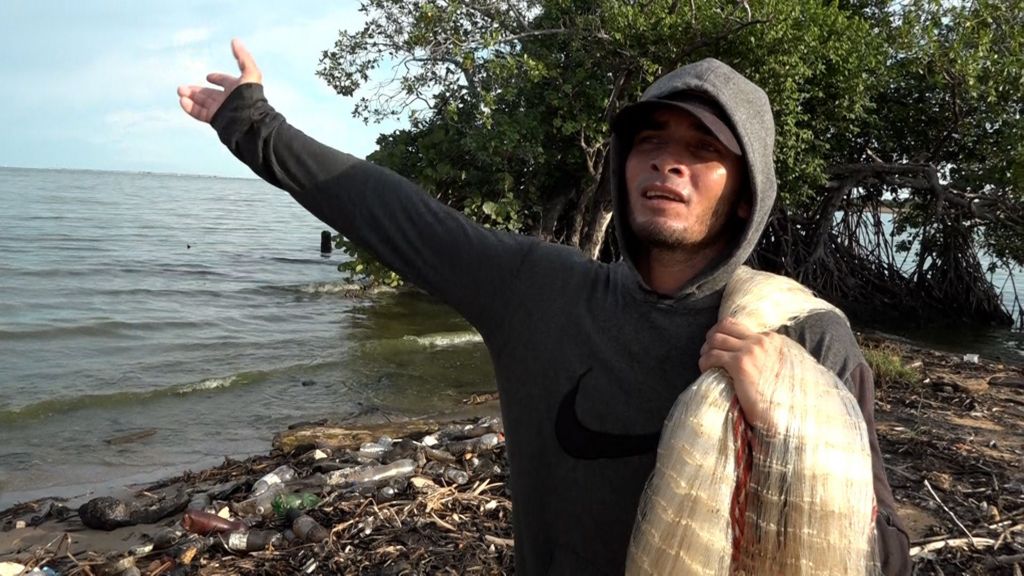
In the shadow of escalating US-Venezuela tensions, Venezuelan fishermen like Wilder Fernández face an unprecedented threat. For 13 years, Fernández has fished the waters north of Lake Maracaibo, but now he fears his livelihood could turn deadly. The US military presence in the Caribbean, part of an operation targeting alleged ‘narco-terrorists’ linked to the Venezuelan government, has cast a pall over the region. Since September 2, US strikes on ‘narco-boats’ have killed at least 27 people, though no evidence of drug smuggling has been presented. Experts argue these actions may violate international law. President Donald Trump has further heightened tensions by considering strikes on Venezuelan soil and authorizing CIA covert operations. For fishermen like Fernández, the risk of being caught in the crossfire is a daily concern. His wife urges him to quit, but with few alternatives, he feels trapped. The fear extends across Venezuela’s fishing communities. Jennifer Nava, spokeswoman for the Council of Fishermen in El Bajo, warns that the industry’s decline could push fishermen into the arms of drug traffickers. Usbaldo Albornoz, a veteran fisherman, reports that his crew refuses to work, fearing US strikes. Despite the fear, some fishermen, like José Luzardo, remain defiant. In late September, hundreds protested the US military deployment, pledging to defend their homeland. The Venezuelan government has mobilized militias, with over 16,000 fishermen joining the call. As tensions mount, the fishing industry—already struggling with piracy, oil spills, and declining earnings—faces an uncertain future. The US claims its actions are self-defense, but for Venezuela’s fishermen, the stakes are life and death.