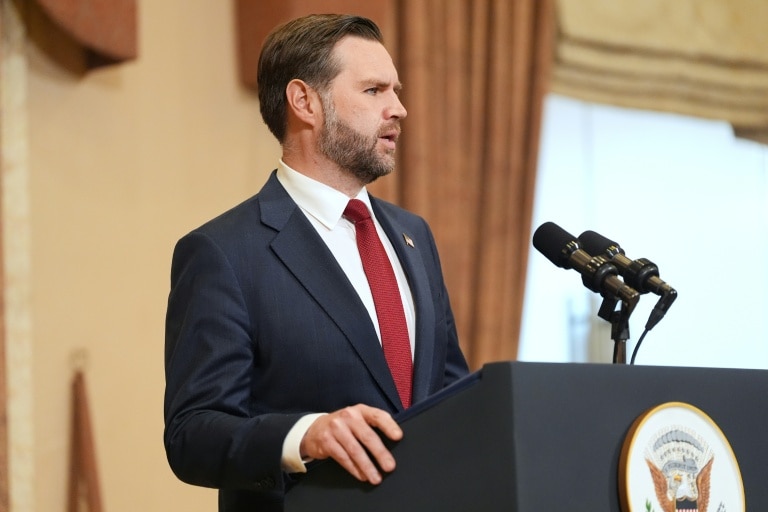
After 21 hours of closed-door negotiations hosted in Islamabad, Pakistan, United States Vice President JD Vance announced Sunday that direct talks with Iranian representatives have concluded without reaching a binding consensus, though Washington’s so-called “final and best offer” remains under consideration by Tehran.
The negotiations came amid a fragile two-week pause in joint US-Israeli military strikes against Iranian sensitive sites, a truce that went into effect Tuesday to create space for diplomatic negotiations. Vance emphasized that the core sticking point throughout the discussions remained Iran’s long-term nuclear ambitions, a dispute that has fueled escalating tensions across the Middle East for years.
Speaking to reporters at the luxury Islamabad hotel where the negotiations were held, Vance outlined Washington’s non-negotiable core demand: a clear, long-term commitment from Iran that it will abandon all efforts to develop a nuclear weapon, and will also forgo access to the materials and infrastructure required to build a nuclear device rapidly. “The simple question is, do we see a fundamental commitment of will for the Iranians not to develop a nuclear weapon — not just now, not just two years from now, but for the long term?” Vance said. “We haven’t seen that yet. We hope that we will.”
Iran has consistently maintained that its nuclear program is exclusively for peaceful purposes, including energy production and medical research, a claim that successive US administrations have rejected. Tensions escalated further after the US and Israel launched a new wave of attacks on Iranian infrastructure on February 28, following earlier strikes on Iranian sites last year.
Vance declined to elaborate on disagreements over a second critical issue: the reopening of the Strait of Hormuz, the strategic chokepoint through which roughly one-fifth of the world’s global oil supplies transit daily. The strait has been a flashpoint for regional tensions for decades, with disruptions to shipping through the waterway capable of sending global energy prices soaring.
The Vice President pushed back against any suggestion that the White House took an inflexible stance, noting that President Donald Trump instructed the negotiating team to approach the talks in good faith and prioritize flexibility. Just one day before Vance’s announcement, Trump made unorthodox comments in Washington saying he did not have a personal stake in whether a deal was ultimately reached. Despite the lack of progress to date, Vance reaffirmed that the US side is leaving the final offer on the table to give Iranian leadership time to review the proposal and respond. “We leave here with a very simple proposal, a method of understanding that is our final and best offer. We’ll see if the Iranians accept it,” he added.