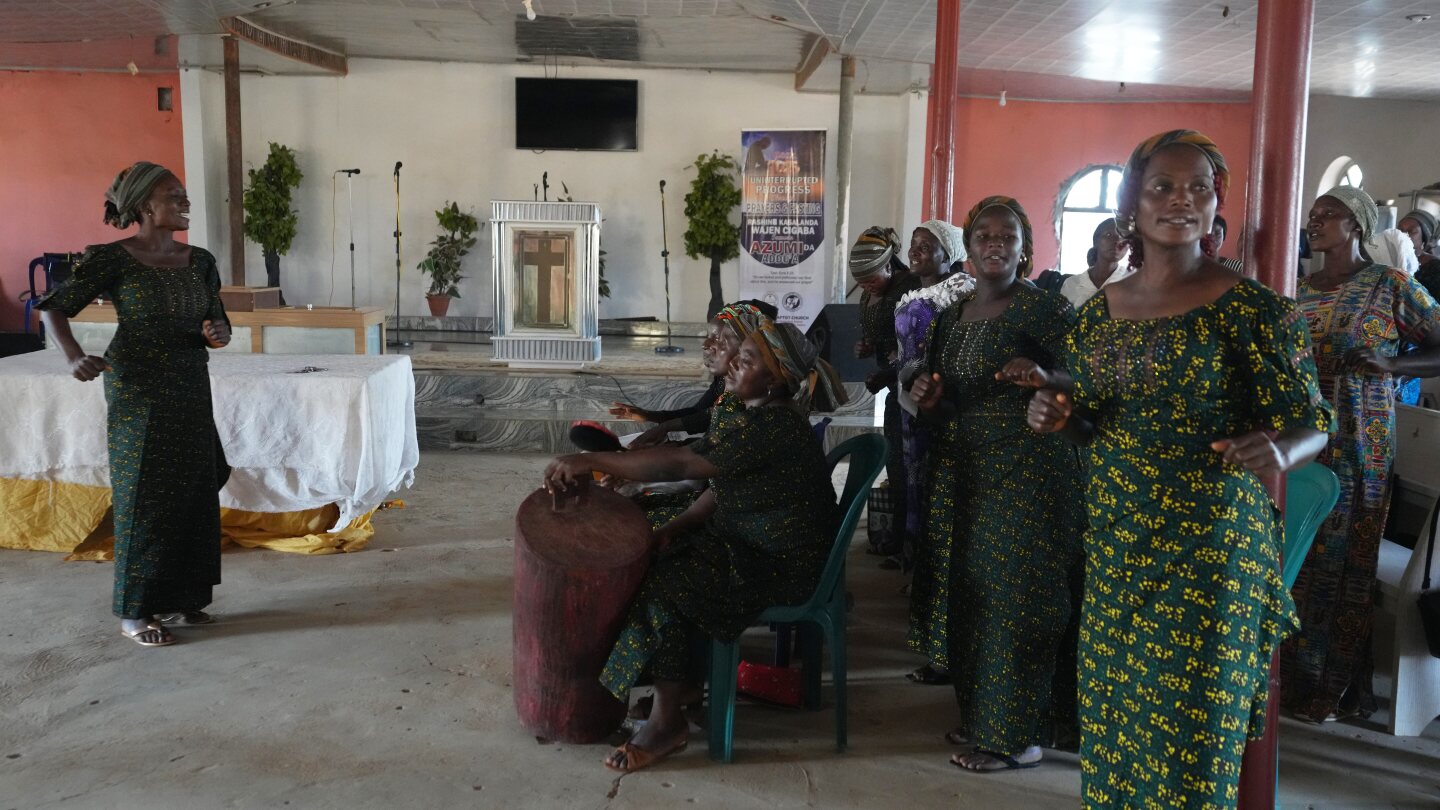
The United States has announced stringent visa restrictions targeting Nigerian individuals and their family members implicated in mass violence against Christian communities. This decisive measure was formally disclosed by the U.S. State Department on Wednesday.
Secretary of State Marco Rubio articulated the policy through an official statement on social media platform X, emphasizing that the sanctions extend to perpetrators of religious freedom violations regardless of their affiliation. “The United States is taking decisive action in response to mass killings and violence against Christians by radical Islamic terrorists, Fulani ethnic militias, and other violent actors in Nigeria and beyond,” Rubio stated.
The legal foundation for these restrictions derives from Section 212(a)(3)(C) of the Immigration and Nationality Act, which empowers the government to deny entry to foreign nationals engaged in activities that threaten religious freedoms. This move represents a significant escalation in U.S. diplomatic pressure regarding human rights violations.
Nigeria’s complex security landscape features multifaceted conflicts including religiously motivated attacks against both Christians and Muslims, resource-based clashes between farmers and herders, ethnic rivalries, and secessionist movements. The nation’s 220 million inhabitants are nearly evenly divided between Christian and Muslim populations.
Persistent insecurity plagues various regions, notably from Boko Haram extremists enforcing radical interpretations of Islamic law, and increasingly from armed gangs in central Nigeria conducting ransom kidnappings. Last month, former President Donald Trump directed the Pentagon to develop contingency plans for potential military engagement in response to Christian persecution allegations, highlighting the growing international concern over Nigeria’s stability.