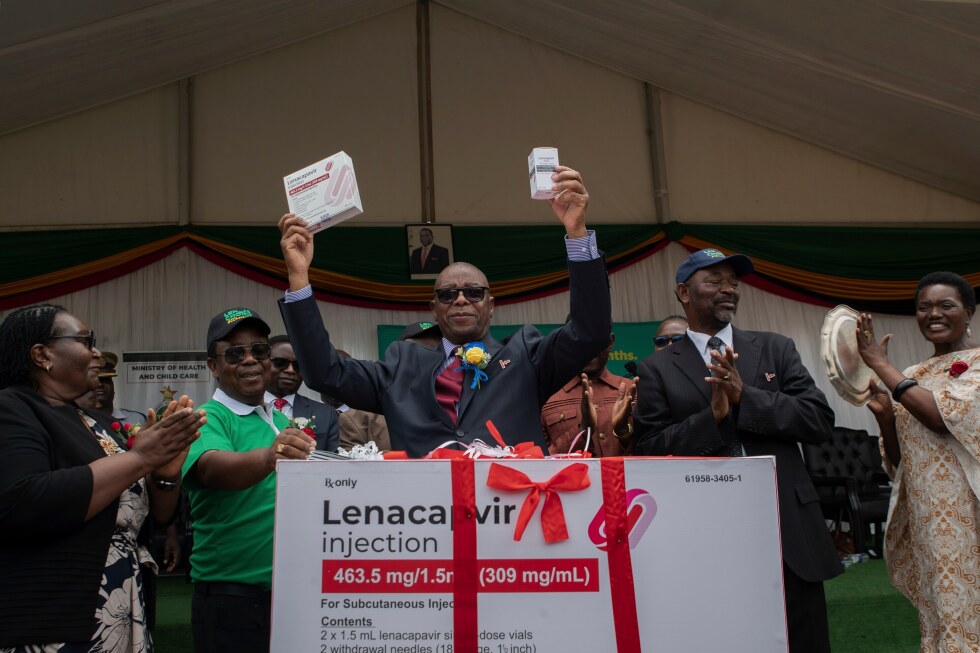
ZIMBABWE’S PUBLIC HEALTH SYSTEM faces unprecedented challenges following the collapse of negotiations between Harare and Washington regarding a proposed $367 million health assistance package. The United States has announced it will progressively terminate all health funding to the African nation after Zimbabwean authorities rejected a bilateral agreement requiring comprehensive access to sensitive health data.
The disputed five-year funding proposal would have represented the largest international health investment in Zimbabwe, supporting critical programs for HIV/AIDS treatment and prevention, tuberculosis control, malaria eradication, and maternal-child healthcare. U.S. Ambassador Pamela Tremont characterized the decision as “difficult and regrettable,” noting that Zimbabwe had indicated preparedness to continue its HIV response independently.
Zimbabwean government spokesperson Nick Mangwana explained the rejection stemmed from multiple concerns regarding data sovereignty, fairness, and reciprocal benefits. “The United States was not offering reciprocal sharing of its own epidemiological data with our health authorities,” Mangwana stated. “Our nation would provide the raw materials for scientific discovery without assurance that end products like vaccines or treatments would be accessible to our people.”
The funding termination jeopardizes programs supporting approximately 1.2 million Zimbabweans currently receiving HIV treatment through U.S.-backed initiatives. Medical professionals have expressed alarm, with the College of Public Health Physicians warning that abrupt discontinuation could cause treatment interruptions, increased transmission rates, drug resistance emergence, and additional strain on an already fragile health system.
This development reflects the Trump administration’s broader shift toward bilateral “America First” health agreements, replacing previous multilateral frameworks. The U.S. has signed similar pacts with 16 African nations totaling over $18 billion, though implementation has faced challenges elsewhere, including legal delays in Kenya over data safety concerns.
Zimbabwean officials criticized the bilateral model as a departure from established WHO mechanisms designed to ensure equitable benefit sharing when countries contribute pandemic-related data. The nation has been a major recipient of U.S. health assistance, receiving nearly $2 billion since 2006 through programs including PEPFAR, which has been instrumental in helping Zimbabwe achieve UN HIV treatment targets.