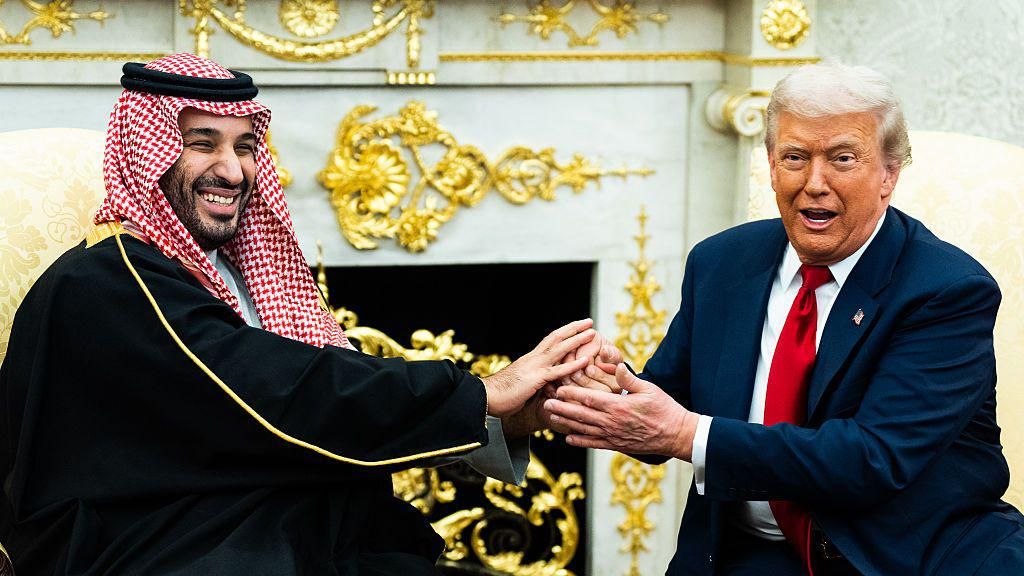
In a move set to reshape nuclear dynamics across the Middle East, the Trump administration is preparing to announce a landmark 30-year civilian nuclear cooperation agreement with Saudi Arabia as early as Wednesday, multiple U.S. media outlets have reported.
The framework of the deal, which has already secured presidential approval, would allow the Gulf kingdom to pursue domestic uranium enrichment after completing a joint feasibility study with U.S. partners. Unlike the 2009 U.S.-United Arab Emirates nuclear agreement that imposed strict bans on local enrichment and other key limitations, this new arrangement leaves the door open for Saudi Arabia to produce its own nuclear fuel for civilian energy production at a U.S.-built facility, ending its reliance on imported fuel.
Industry analysts project the deal could generate billions of dollars in revenue for U.S. nuclear firms, which would lead construction and operation of the enrichment facility. While the agreement is framed as supporting civilian energy development, it has already sparked sharp criticism and concern from multiple quarters.
Notably, the deal does not require Saudi Arabia to extend formal diplomatic recognition and normalize relations with Israel, a long-held foreign policy priority for every consecutive U.S. administration. Israeli nuclear experts and former government officials, representing Washington’s closest Middle Eastern ally, have warned that the framework could eventually put Saudi Arabia in a position to develop nuclear weapons. This warning echoes longstanding tensions around nuclear proliferation in the region, where the U.S. and Israel have cited preventing Iranian nuclear weapons development as a core national security goal – a claim Iran has repeatedly denied.
Saudi Arabia’s de facto leader Crown Prince Mohammed bin Salman addressed the kingdom’s nuclear posture publicly in 2018, telling CBS News that Riyadh had no plans to pursue a nuclear weapon, but would “follow suit as soon as possible” if Iran successfully developed a nuclear device.
The terms of the agreement include a 10-year restriction: if Washington rejects the results of the joint enrichment study, Saudi Arabia will be barred from pursuing domestic enrichment independently or with third-party partners for a decade. Even with this safeguard, global nuclear non-proliferation advocacy groups are already preparing to oppose the deal, as their core mission centers on halting the spread of nuclear weapons technology worldwide.
Following Wednesday’s expected announcement, the agreement will be sent to the U.S. Congress for review. Bipartisan opposition is expected among lawmakers, though Republicans retain control of both the House of Representatives and Senate, improving the deal’s odds of advancing. The White House has not yet issued an official comment on the reports, when contacted by the BBC.