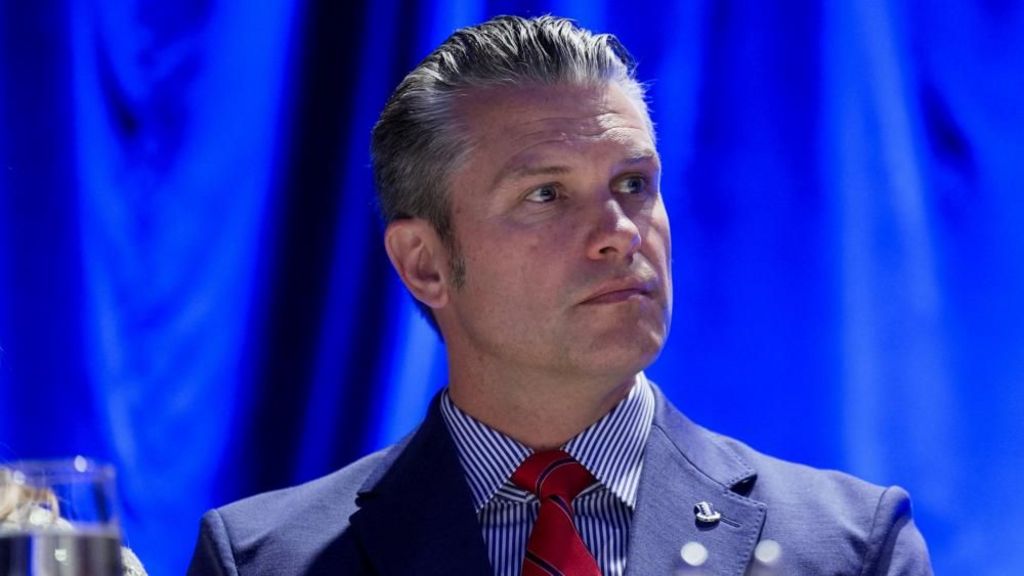
A significant confrontation has emerged between the U.S. Department of Defense and artificial intelligence company Anthropic over military applications of AI technology. Defense Secretary Pete Hegseth has issued an ultimatum to the AI firm, threatening removal from defense supply chains if it refuses to allow unrestricted military use of its technology.
The tension escalated during a Tuesday meeting at the Pentagon between Secretary Hegseth and Anthropic CEO Dario Amodei. While described as cordial by sources familiar with the discussion, the meeting revealed fundamental disagreements about ethical boundaries in military AI applications. Anthropic has established clear limitations, particularly regarding autonomous weapon systems and mass surveillance operations.
Anthropic stated: ‘We continued good-faith conversations about our usage policy to ensure Anthropic can continue to support the government’s national security mission in line with what our models can reliably and responsibly do.’
The Defense Department’s position maintains that Anthropic should not have authority over how its technology is utilized once provided to military agencies. A senior Pentagon official indicated that failure to comply by Friday evening could trigger invocation of the Defense Production Act, potentially forcing Anthropic executives to permit unlimited Pentagon usage on national security grounds.
This conflict represents a broader ethical debate within the AI industry regarding military partnerships. Anthropic, creator of the Claude AI chatbot, has consistently positioned itself as more safety-oriented than competitors. The company regularly publishes safety reports and has acknowledged previous weaponization of its technology by malicious actors.
The current dispute follows revelations that Anthropic’s technology was used through contractor Palantir in the operation leading to former Venezuelan President Nicolás Maduro’s capture. As one of four AI companies awarded Pentagon contracts last summer—alongside Google, OpenAI, and xAI—Anthropic was previously the first tech company approved for classified military networks.
Industry observers note the situation reflects a fundamental breach of trust between the parties. Emelia Probasco, Senior Fellow at Georgetown University’s Center for Security and Emerging Technology, emphasized: ‘They need to get to a resolution. We should be giving the people we ask to serve every possible advantage.’
The outcome of this standoff could establish important precedents for how AI companies balance ethical principles with national security requirements and government partnerships.