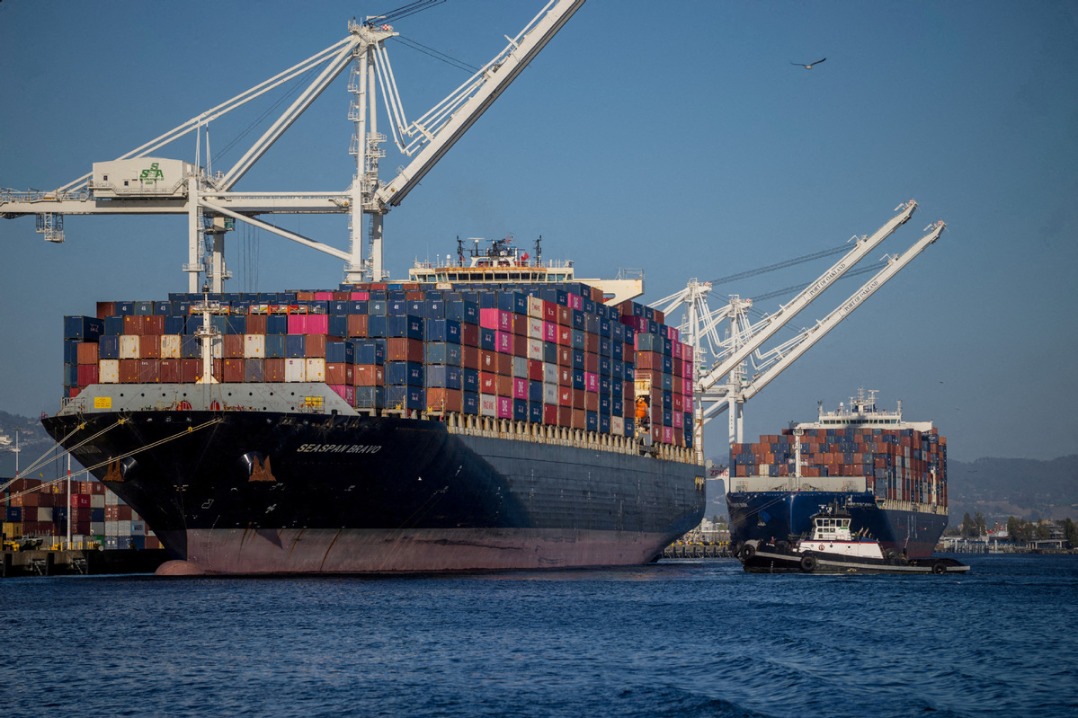
The ripple effects of US-imposed tariffs are now manifesting in the nation’s trade landscape, with September witnessing a significant downturn in container cargo imports. According to the latest Global Shipping Report by Descartes, a supply chain technology and data provider, US container imports plummeted by 8.4% year-on-year, with Chinese imports bearing the brunt at a staggering 22.9% decline. Despite this, US ports managed to process 2.31 million 20-foot equivalent units (TEUs) of container cargo, marking the third-highest September volume on record. The steepest declines were observed in sectors such as toys, sporting goods, footwear, apparel, aluminum, and electric machinery. This contrasts sharply with the surge in imports during July and August, as retailers stockpiled goods ahead of the holiday season. Jonathan Gold, Vice-President of Supply Chain and Customs Policy at the National Retail Federation, attributed the earlier peak to businesses’ efforts to mitigate tariff impacts by front-loading cargo. However, the uncertainty surrounding tariff policies continues to challenge businesses, with projections indicating that monthly import volumes at major US ports may drop below 2 million TEUs for the remainder of the year. Analysts, including Ben Hackett of Hackett Associates, predict further import slowdowns, citing ongoing volatility in US tariff policy as a significant source of economic uncertainty. China’s share of total US imports also declined, falling to 33% in September from 34.5% in August. The Port of Los Angeles, one of the busiest in the US, reported an 8% year-on-year decline in import volumes, processing around 883,000 container units in September. Gene Seroka, the port’s Executive Director, anticipates a further softening of cargo volumes in the coming months, exacerbated by turbulent trade negotiations with China. The US recently announced additional 100% tariffs on Chinese goods, effective November 1, following China’s imposition of export controls on rare earth minerals. China’s Ministry of Commerce has criticized these measures, emphasizing that its export controls are a legitimate effort to safeguard national and global security, not targeted at any specific country. The ongoing trade tensions have already impacted bilateral trade, with China’s exports to the US falling by 27% year-on-year in September, marking the sixth consecutive monthly decline. As both nations navigate this contentious trade landscape, the broader economic implications remain uncertain.