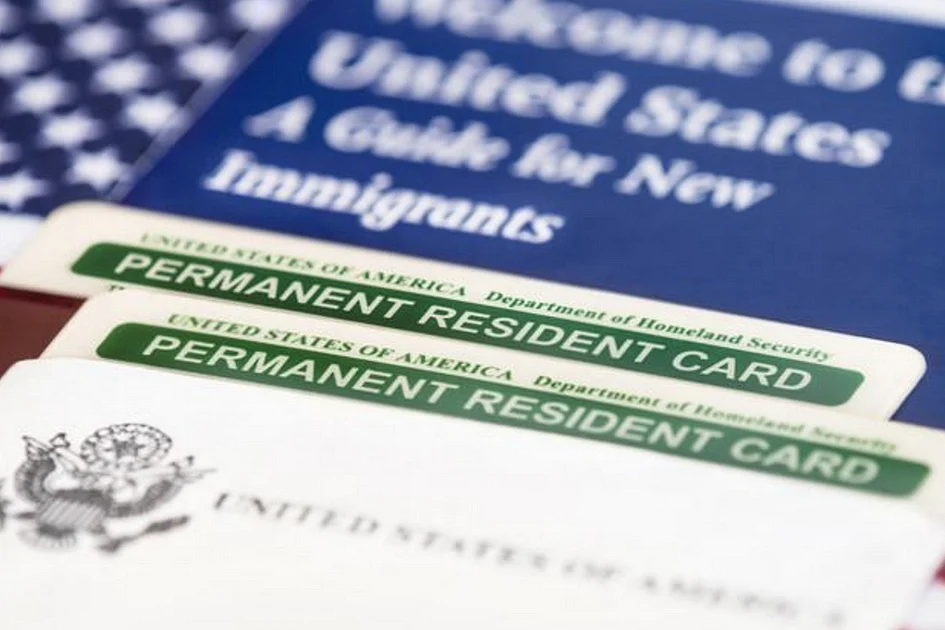
In response to recent violent campus incidents, the Trump administration has announced the immediate suspension of the Diversity Visa Lottery program. This decisive action follows revelations that Claudio Neves Valente, the primary suspect in both the Brown University shooting and MIT professor’s killing, originally entered the United States through this immigration pathway in 2017.
The Portuguese national, who was found deceased from an apparent suicide after an extensive manhunt, allegedly committed horrific acts at two prestigious academic institutions. The Brown University incident resulted in two student fatalities and nine injuries, while the subsequent attack claimed the life of Professor Nuno Loureiro at Massachusetts Institute of Technology.
Homeland Security Chief Kristi Noem confirmed via social media that Valente had obtained legal permanent resident status through the diversity visa program. Characterizing the suspect as a ‘heinous individual,’ Noem asserted that Valente ‘should never have been allowed in our country.’ The suspension directive was issued at President Trump’s instruction to prevent further harm from what administration officials describe as a ‘disastrous program.’
The Diversity Visa Program, administered by the State Department, allocates approximately 55,000 permanent resident visas annually to applicants from nations with historically low immigration rates to the United States. This marks the second instance during Trump’s presidency that the program has faced suspension following violent acts committed by visa recipients.
Investigative authorities revealed that Valente initially entered the U.S. on a student visa around 2000 and maintained status through 2021 before obtaining permanent residency. Evidence indicates both Valente and Professor Loureiro participated in the same academic program in Portugal during the late 1990s, though authorities have not established a definitive motive for the attacks.
The tragedy has sparked renewed scrutiny of campus security protocols, particularly after disclosures that Brown University’s extensive camera network lacked integration with law enforcement surveillance systems. The incident adds to the distressing tally of over 300 mass shootings recorded in the United States this year alone.