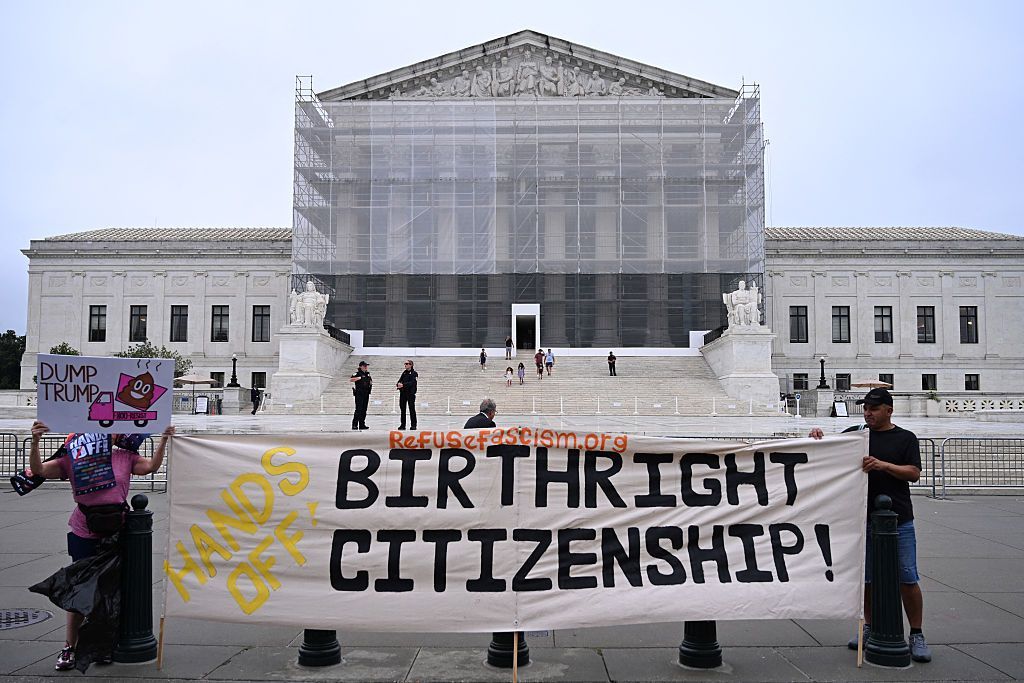
The United States Supreme Court has agreed to adjudicate a landmark case that will determine the future of birthright citizenship, a constitutional principle established for over 150 years. This judicial review directly confronts a controversial executive order issued by former President Donald Trump on his inaugural day in January, which sought to terminate automatic citizenship for children born to undocumented immigrants and temporary visa holders. Lower federal courts previously blocked the order, citing potential constitutional violations.
The core of the legal battle hinges on the interpretation of the 14th Amendment of the U.S. Constitution. Ratified in 1868 in the aftermath of the Civil War, its Citizenship Clause explicitly states: ‘All persons born or naturalized in the United States, and subject to the jurisdiction thereof, are citizens of the United States.’ This provision was originally intended to guarantee citizenship for emancipated slaves and has since been applied universally, with narrow exceptions for children of foreign diplomats and enemy forces.
The nation’s highest court is now poised to deliver a definitive ruling that will either uphold the longstanding practice of jus soli (right of the soil) or empower the government to significantly curtail it. The plaintiffs in the case include immigrant parents and their U.S.-born children, who are challenging the legality of the proposed executive action. Following its decision to hear the appeal, the Court will schedule oral arguments where both the government and the plaintiffs will present their cases.
This legal endeavor places the United States, one of approximately 30 nations worldwide that grant automatic birthright citizenship—primarily in the Americas—at a constitutional crossroads. The Supreme Court’s eventual judgment will resolve a critical question of national identity and have profound implications for immigration policy and the lives of hundreds of thousands of individuals.