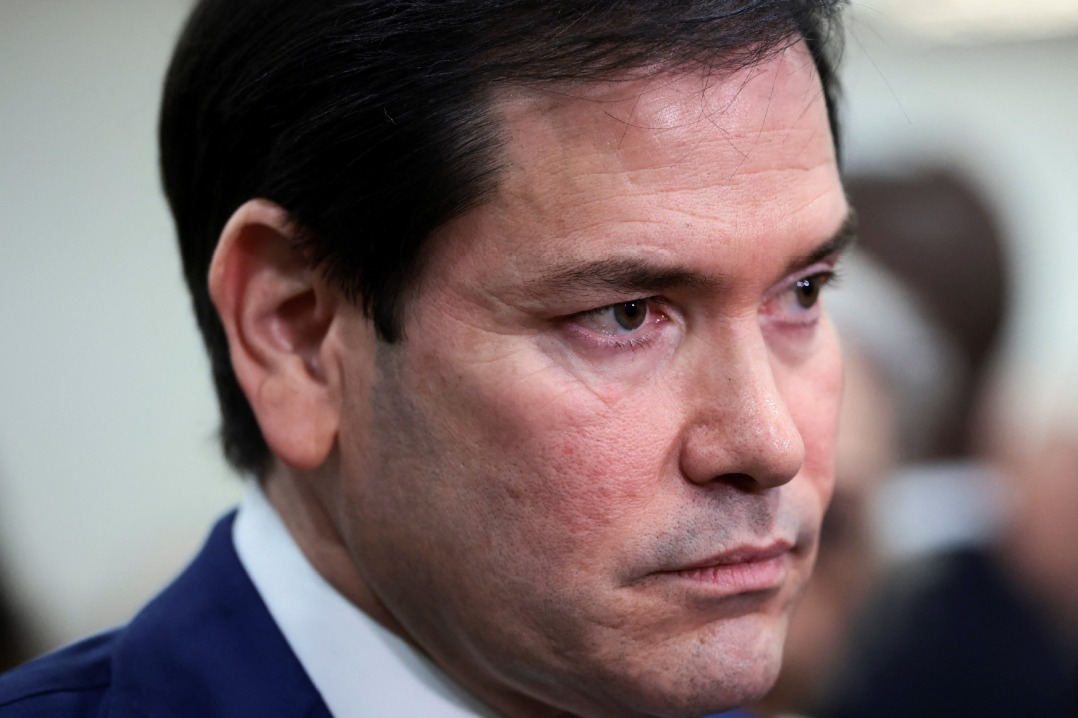
WASHINGTON — U.S. Secretary of State Marco Rubio confirmed Wednesday that he will engage in direct negotiations with Danish officials next week regarding Washington’s controversial pursuit of Greenland. The announcement comes amid escalating tensions between the NATO allies over what Denmark considers an unacceptable territorial proposition.
Rubio revealed the planned diplomatic engagement to reporters at the U.S. Capitol, stating, “I’ll be meeting with them next week… We’ll have conversations with them then.” His comments followed provocative statements from the White House that included military force among potential options for acquiring the autonomous Danish territory.
While attempting to distance the State Department from more aggressive rhetoric, Rubio acknowledged that “every president always retains the option” of military action, though he emphasized preference for diplomatic resolution. This nuanced positioning contrasts with Tuesday’s official White House communication, in which Press Secretary Karoline Leavitt explicitly affirmed to Xinhua that “utilizing the U.S. military” remains an option for President Donald Trump regarding Greenland.
The scheduled meeting responds to a formal request from both Danish Foreign Minister Lars Lokke Rasmussen and Greenland’s Foreign Minister Vivian Motzfeldt, who seek to address what they’ve termed a diplomatic crisis. Both governments have consistently maintained that the strategically significant Arctic island is not available for purchase or transfer.
According to U.S. media reports from a closed-door congressional briefing Monday, Rubio assured lawmakers that Trump’s threats did not indicate imminent military action but rather reflected the administration’s continued interest in purchasing the territory. This assurance however has failed to calm European allies.
Danish Prime Minister Mette Frederiksen issued a stark warning Monday, backed by European leadership, that any U.S. military action against another NATO member would trigger the immediate collapse of the alliance and the postwar security architecture. Trump responded Wednesday on Truth Social by questioning whether NATO would honor its collective defense commitment to the United States if needed, further straining transatlantic relations.
The confrontation places Denmark in a particularly vulnerable position as a member of both NATO and the European Union, facing unprecedented pressure from its traditional security guarantor.