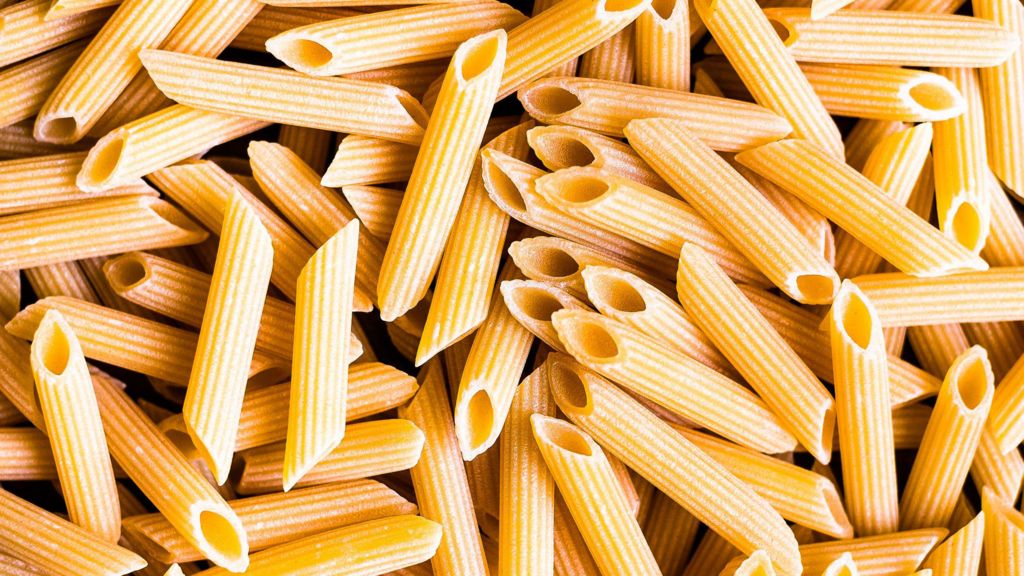
The United States has significantly scaled back its threat to impose punitive tariffs exceeding 100% on imported Italian pasta, following constructive negotiations with producers. The Trump administration had initially proposed a staggering 91.74% tariff on 13 Italian pasta manufacturers, alleging they were selling products at “less than normal value” in a practice known as dumping. This would have compounded the existing 15% tariff on EU goods, potentially more than doubling pasta prices for American consumers.
On Thursday, the Italian Foreign Ministry announced a major resolution, with tariffs now reduced to a range between 2.26% and 13.98% following demonstrated cooperation from Italian companies. The settlement averts what would have been a severe economic burden on US consumers and a diplomatic challenge for Italian Prime Minister Giorgia Meloni, who maintains one of Europe’s closer relationships with President Trump.
The US Commerce Department confirmed in a statement that Italian pasta makers had “addressed many of Commerce’s concerns” following its preliminary determination. The department will continue engaging with interested parties before issuing a final determination. This decision reflects a pattern of the Trump administration initially proposing aggressive tariffs before subsequently moderating them, as seen recently with postponed furniture tariffs and exemptions for certain food imports including coffee and bananas.
While economists consistently warn that protectionist tariffs ultimately increase consumer costs, this particular case involved a relatively small segment of total Italian pasta imports to the US. The resolution demonstrates how bilateral engagement can modify trade policy approaches even within the administration’s broader America First manufacturing agenda.