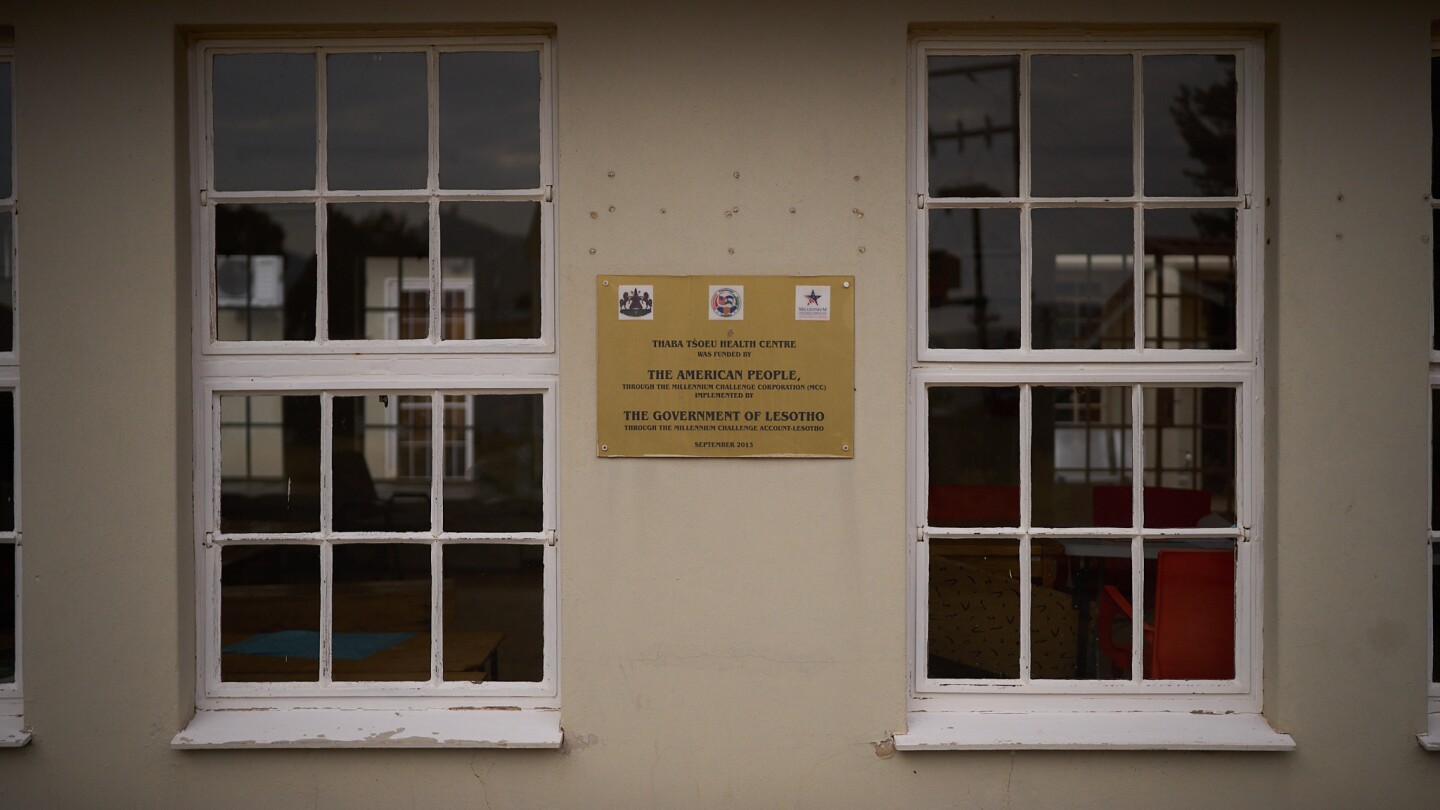
The United States has initiated a fundamental restructuring of its global health assistance through newly negotiated bilateral agreements with at least nine African nations. This strategic shift, implemented under the Trump administration’s ‘America First’ foreign policy doctrine, replaces previous USAID-managed programs with government-to-government compacts emphasizing mutual benefits over traditional aid.
Kenya, Nigeria, Rwanda, Cameroon, Eswatini, Lesotho, Liberia, and Mozambique have entered these pioneering health partnerships that tie funding to specific policy conditions and domestic financial commitments. The arrangements mark a dramatic departure from conventional assistance models by requiring recipient nations to substantially increase their own health expenditures while accepting reduced American funding—averaging a 49% decrease compared to previous allocations according to the Center for Global Development.
Notably, Nigeria’s agreement includes specialized provisions emphasizing support for Christian-based health facilities despite the country’s slight Muslim majority, with the State Department explicitly linking this funding to Nigeria’s efforts in protecting Christian populations from violence. Several signatory nations—including Rwanda and Uganda—have separately accepted controversial U.S. deportation agreements, though officials deny direct linkage between these arrangements.
Conspicuously absent from the partnerships is South Africa, which lost approximately $436 million in annual HIV funding following diplomatic tensions with the administration. The new compacts prioritize disease surveillance, HIV treatment, and malaria prevention while demanding increased financial self-sufficiency from recipient nations, fundamentally redefining the terms of U.S. global health engagement.