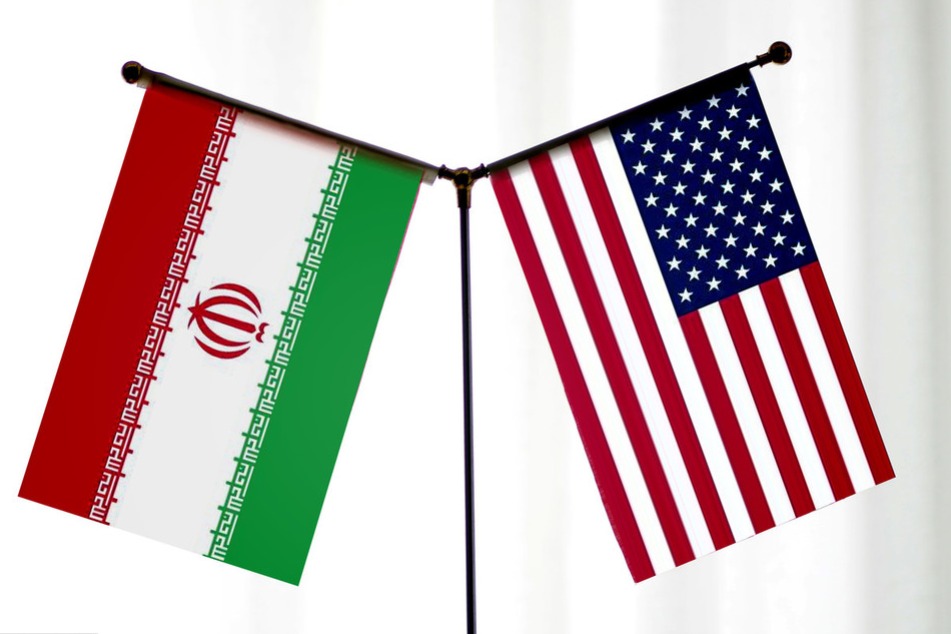
WASHINGTON – The United States is pushing for a nuclear agreement with Iran that would impose permanent restrictions on Tehran’s nuclear activities, according to a report by Axios. Steve Witkoff, the US president’s special envoy, articulated this position at a private gathering in Washington, D.C., stating the administration’s foundational premise that “there is no sunset provision” in any future deal.
Witkoff emphasized that regardless of whether an agreement is reached, the expectation remains that Iran must maintain compliant behavior indefinitely. The current negotiations are reportedly centered on two critical issues: Iran’s uranium enrichment capabilities and the disposition of its existing stockpile of enriched uranium.
While discussions currently focus on nuclear matters, the White House intends to pursue subsequent negotiations addressing Iran’s ballistic missile program and its support for proxy militias throughout the Middle East should an initial nuclear accord be achieved.
This stance represents a significant departure from the 2015 Joint Comprehensive Plan of Action (JCPOA) negotiated during the Obama administration, which included expiration dates for most nuclear restrictions between 8 and 25 years after implementation. President Trump withdrew from that agreement in 2018.
According to officials familiar with the matter, the administration might consider allowing limited “token” enrichment in Iran if Tehran provides verifiable assurances that such activities would not contribute to nuclear weapons development. Mediators including Oman, Qatar, Egypt, and Turkiye are reportedly applying substantial pressure on Iran to reach an agreement with the United States that would avert military conflict.
The diplomatic efforts continue with a new round of US-Iran talks scheduled for Thursday in Geneva, where uranium enrichment levels and sanctions relief are expected to dominate the agenda. The negotiations occur against a backdrop of heightened military preparedness, with the US having deployed significant forces to the region. President Trump recently warned that while he prefers a diplomatic solution, failure to reach an agreement would result in “a very bad day” for Iran, alluding to potential military action.