The White House has affirmed that diplomatic channels with Iran remain active despite Tehran’s purported rejection of a proposed U.S. peace framework, while simultaneously issuing stark warnings of military escalation should negotiations ultimately fail.
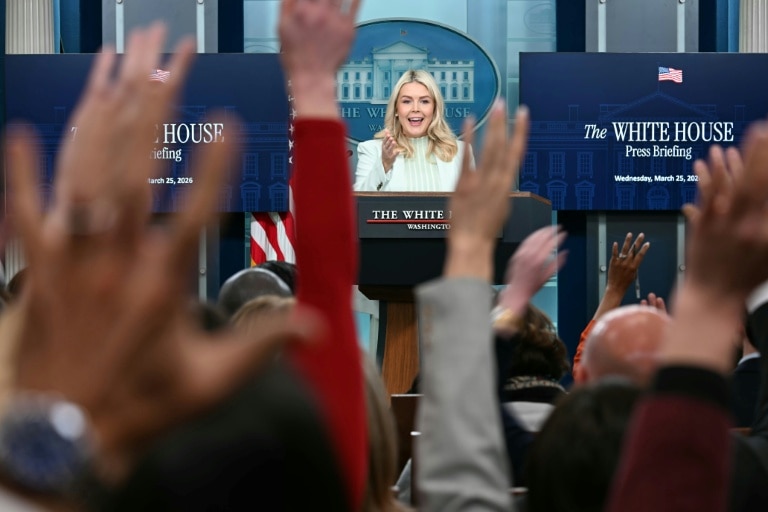
White House Press Secretary Karoline Leavitt addressed reporters Wednesday, countering Iranian state media claims that Tehran had formally dismissed a 15-point American proposal to conclude the ongoing Middle East conflict. While acknowledging ‘elements of truth’ in media reports regarding the proposal’s contents, Leavitt characterized some details as ‘not entirely factual’ without specifying which elements were inaccurate.
The proposed agreement, according to U.S. and Israeli media sources, would require Iran to completely abandon its nuclear development capabilities and dismantle its ballistic missile arsenal. These demands come amid significant leadership uncertainty within Iran following the assassination of Supreme Leader Ali Khamenei, with his designated successor Mojtaba Khamenei remaining absent from public view.
Leavitt confirmed that discussions continue through Iranian parliamentary speaker Mohammad Bagher Ghalibaf, a prominent non-clerical figure who has emerged as a key interlocutor. The press secretary declined to verify reports that high-level talks involving Vice President JD Vance were scheduled to occur in Pakistan, which has positioned itself as a mediating party in the conflict.
Despite maintaining diplomatic outreach, the administration delivered unequivocal warnings regarding military consequences. Leavitt stated that President Trump stands prepared to ‘unleash hell’ if Iran fails to recognize what the White House characterizes as their ‘military defeat.’ The comments coincide with substantial U.S. troop movements to the Gulf region, including thousands of airborne personnel and additional marine deployments.
The administration maintains its previously stated timeline of four to six weeks for major combat operations, with Leavitt noting that President Trump has rescheduled his meeting with Chinese leader Xi Jinping for mid-May—approximately six weeks from the conflict’s initiation—underscoring the expected duration of military engagements.