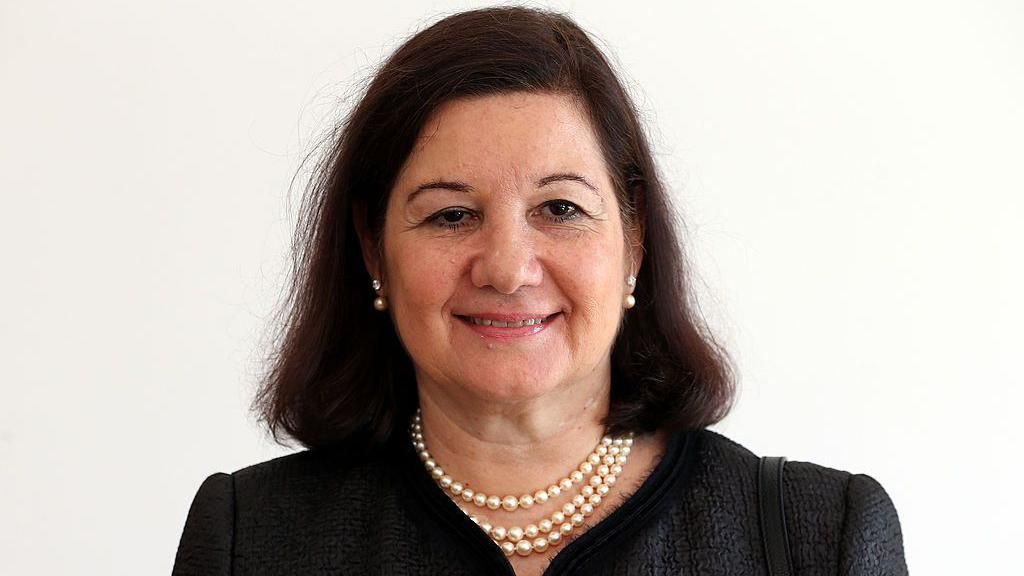
A deepening rift between the United States and Brazil has taken a sharp new turn, with the U.S. State Department confirming it has revoked the visa of Maria Luiza Ribeiro Viotti, Brazil’s sitting ambassador to Washington. The tit-for-tat escalation comes just weeks ahead of Brazil’s upcoming general elections, and follows a direct snub from Brasilia last month that blocked entry for two senior U.S. diplomatic officials.
The sequence of disputes began when the Brazilian government refused to issue visas for Riley M Barnes, Assistant Secretary of State for Democracy, Human Rights, and Labor, and Samuel Samson, Deputy Assistant Secretary in the same department, who had planned a late-July visit to Brazil. U.S. authorities framed the trip as a routine mission focused on discussions of freedom of expression, religious freedom, and election integrity. But Brazilian President Luiz Inácio Lula da Silva leveled a serious accusation: the officials intended to meddle in Brazil’s electoral process, a claim the U.S. has repeatedly dismissed as entirely baseless.
Complicating the context of the blocked visit, the two U.S. officials were scheduled to meet Flávio Bolsonaro, a right-wing congressional candidate and son of former Brazilian President Jair Bolsonaro. The former president is currently serving a 27-year prison sentence after being convicted of orchestrating a coup attempt to overturn his 2022 election loss to Lula.
In recent remarks to a gathering of diplomats, Flávio Bolsonaro claimed Brazil’s electronic voting machines shared a supplier with Venezuela’s electoral system, citing an old Central Intelligence Agency report on purported electoral fraud in the South American nation. He later walked back the comment, clarifying that he did not intend to question Brazil’s electoral integrity and instead called for greater international observer presence. The claims have nonetheless been thoroughly refuted by Brazil’s Superior Electoral Court. Independent electoral experts have long held that Brazil’s domestic-built electronic voting system is one of the most secure and transparent electoral frameworks in the world.
Flávio Bolsonaro, who is running for Senate in the 2026 elections, has drawn high-profile international endorsements from Argentine President Javier Milei and Israeli Prime Minister Benjamin Netanyahu, amplifying his profile on the global conservative stage.
A senior U.S. State Department official emphasized that the visa revocation does not amount to a formal expulsion of Ambassador Viotti, a move that would mark a full diplomatic rupture between the two nations. However, the action is the most visible escalation in a string of disagreements that have built up between the two governments over recent months. Earlier disputes include the U.S. reimposing import tariffs on Brazilian goods and Washington’s decision to label Brazilian criminal gangs as foreign terrorist organizations, moves that drew sharp pushback from Brasilia.
Brazil has also retaliated in another diplomatic standoff: the Lula administration has refused to grant approval for Daniel Perez, the nominee put forward by former U.S. President Donald Trump to serve as the next U.S. ambassador to Brazil. Perez, a Florida state representative and close ally of current U.S. Secretary of State Marco Rubio, was announced as the nominee on June 1 without the customary pre-announcement consultation with Brazilian authorities, a breach of standard diplomatic protocol that left Brasilia feeling openly disrespected.
President Lula has been a vocal critic of the State Department under Rubio’s leadership, condemning what he frames as growing and unwarranted U.S. intervention in Latin American politics, including the department’s open endorsement of conservative candidates in regional elections. The BBC has reached out to the Brazilian government, the Brazilian embassy in Washington, and the U.S. State Department for additional comment on the latest visa dispute, but has not yet received responses from all parties.
As both countries navigate this escalating diplomatic standoff, all eyes are turning to Brazil’s upcoming elections, with growing international concern over how the tit-for-tat disputes will impact bilateral relations and the integrity of the electoral process in one of the world’s largest democracies.