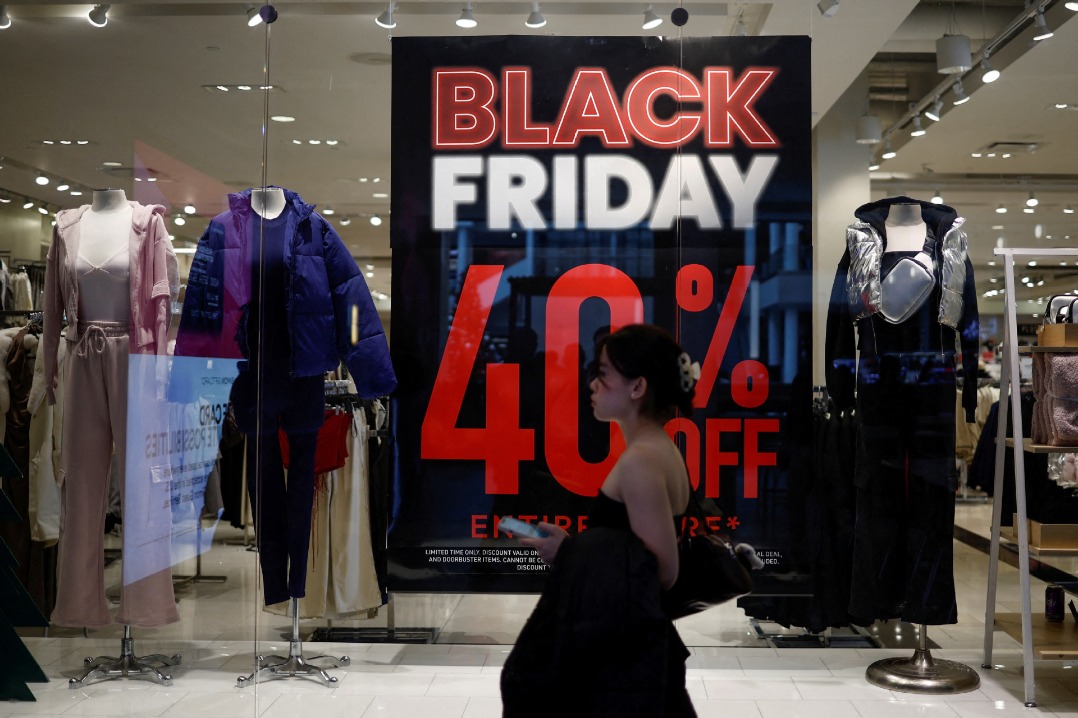
The traditional Black Friday shopping frenzy has transformed into a tense standoff between retailers and consumers, marked by eroding trust and economic uncertainty. According to retail analysts, both parties are engaged in a strategic game of ‘discount chicken’—retailers hesitate to offer substantial price reductions while consumers withhold spending in anticipation of deeper cuts.
This retail impasse coincides with a significant deterioration in consumer confidence. The Conference Board’s November index plummeted to 88.7 from October’s 95.5, reaching its lowest point since April and falling well below economist projections. Growing concerns about job security and economic stability have contributed to this pessimistic outlook.
The very foundation of Black Friday is undergoing fundamental changes. Cordial’s research reveals that only 20% of American consumers now consider Black Friday their primary holiday shopping starting point, with 59% beginning earlier and 22% planning to shop later or at the last minute. This shift reflects growing consumer skepticism about the shopping event’s authenticity.
Widespread mistrust appears justified. A Lightspeed Commerce survey found that 84% of consumers believe retailers artificially inflate pre-Black Friday prices to exaggerate discount margins. WalletHub’s analysis of 3,100 items confirmed these suspicions, showing 36% of Black Friday offers provided no actual savings, while nearly 10% were more expensive than pre-season pricing.
The retail landscape has further complicated with the emergence of AI-powered pricing systems that display different base prices to different customers based on their spending patterns and price sensitivity. These systems, now controlling 30-40% of digital revenue during peak periods, have made genuine discount identification increasingly challenging.
In response, consumers are deploying their own AI tools for deal verification. Deloitte’s 2025 holiday retail survey indicates 33% of shoppers plan to use generative AI for purchases—double last year’s figure—with the number rising to 43% among Gen Z consumers. More than half of AI users rely on these tools specifically to evaluate discounts and compare prices.
OpenAI recently entered this space with a November 24 shopping research feature designed to identify genuine promotions. However, the technology creates a paradoxical situation where two shoppers searching for identical items may receive completely different pricing information.
Economic pressures further complicate the retail landscape. Yale’s Budget Lab reports tariffs on imported goods surged from 2.4% at the start of 2025 to 17.9% by late October, forcing retailers like Upstream Brands—which typically earns 35% of its annual revenue during the holiday season—to reduce discounts to protect profit margins.
Deloitte’s spending projections reflect this constrained environment, with shoppers planning to spend an average of $622 during the Black Friday-Cyber Monday period—a 4% decrease from last year marking the first decline in four years. Meanwhile, AI-generated scams have proliferated, with NordVPN reporting a 620% surge in phishing emails and a 250% increase in fraudulent e-commerce sites using AI to mimic major retailers and generate convincing fake reviews.
As retail analyst Marshal Cohen noted, ‘Santa Claus is going to show up, kids are not going to be too disappointed. But don’t look for the tree to be overflowing with boxes underneath.’ This sentiment captures the cautious, restrained nature of the 2025 holiday shopping season, where technological advancement and economic pressure have created an unprecedented retail stalemate.